Showing posts with label Ushoga. Show all posts
Showing posts with label Ushoga. Show all posts
Saturday, October 21, 2017
Arrested for Promotion of Homosexuality in Tanzania
DAR ES SALAAM, Tanzania (AP) - Tanzanian police say they are holding 12 men, including two South Africans, for questioning over allegations of promoting homosexuality in this East African country.
Dar es Salaam Police Chief Lazaro Mambosasa said Thursday that authorities are gathering evidence and will arraign all the suspects in court to face criminal charges. He said the suspects include two South Africans, a Ugandan and nine Tanzanians
The men were arrested at a hotel in the port city of Dar es Salaam.
Homosexuality is criminalized in Tanzania under a colonial-era law banning sex acts "against order of nature."
Tanzanian authorities have recently ramped up a crackdown on the activities of LGBT people, even ordering clinics to stop offering services to homosexuals


Saturday, November 28, 2015
Kumbe Kabaka Mwanga II wa Buganda alikuwa Shoga!
Papa Francis yuko nchini Uganda kwenye ziara rasmi. Alitoa heshima kwa wakristo 45 wailouawa huko Uganda zaidi ya miaka 100 iliyopita. Katika historia, wanasema kuwa waAnglikana 23 waliuawa na waKatoliki 22 waliuawa kwa vile walitaka kusambaza ukristo Uganda. Kumbe waliuawa kwa vile Kabaka huyo alikuwa shoga na hao wakristo walikataa kutembea naye! Duh! Kabaka anataka uroda halafu unamnyima! Walivyomnyima ilikuwa kashfa kwake!
Sasa, tunaweza kuona sababu kuu ya waGanda kuwa na sheria kali dhidi ya usenge/ushoga. barani Afrika wao wako wazi kabisa na chuki ya dhidi ya ushoga. Ni historia ambayo hawapendi kuongelea. (Zamani kabla ya mamisionari ushoga/usenge ulikuwa ruksa!)

******************************************************
By NICOLE WINFIELD and RODNEY MUHUMUZA
Associated Press
NAMUGONGO, Uganda (AP) - Pope Francis on Saturday honored the Ugandan Christians who were burned alive rather than renounce their faith a century ago, urging today's Catholics to follow in their missionary zeal and spread the faith at home and abroad.
A somber Francis prayed at shrines dedicated to the 23 Anglican and 22 Catholic martyrs who were killed between 1885 and 1887 on the orders of a local king trying to thwart the influence of Christianity in his central Ugandan kingdom. According to historians, the Christians were also killed because they refused the king's sexual advances, citing the church's opposition to homosexuality.
At Namugongo, outside the capital, Kampala, where most of the martyrs were burned alive, Francis prayed first at the gruesome sanctuary dedicated to the Anglicans, kneeling before part of the same tree where they were tortured before being executed. He then prayed at the Catholic shrine and celebrated Mass in their honor to mark the 50th anniversary of the Catholics' canonization.
As many as 2 million people were expected to attend the Mass, including Ugandan President Yoweri Museveni, the president of South Sudan and the descendant of the king who ordered the deaths.
Francis urged them to use the martyrs' example of faith to be missionaries at home by taking care of "the elderly, the poor, the widowed and the abandoned."
"This legacy is not served by an occasional remembrance or by being enshrined in a museum as a precious jewel," he said. "Rather we honor them and all the saints when we carry on their witness to Christ, in our homes and neighborhoods, in our workplaces and civil society, whether we never leave our homes or we go to the farthest corner of the world."
The Argentine pope knows of what he speaks. When he joined the Jesuit order as a young man, he longed to be a missionary in Japan. But his superior told him to stay home for health reasons, and he later developed a ministry in the slums of Buenos Aires that has formed the basis of his papacy.
During his two days in Uganda, Francis is expected to touch on some of the same themes he emphasized during the first leg of his trip in Kenya: corruption, poverty and giving young Christians hope and encouragement. After the Mass on Saturday, Francis has a rally with young people, a visit to a charity and a meeting with local priests, seminarians and nuns on his agenda.
Some of the pilgrims attending the Mass had been here all night to honor the martyrs and see the pope, braving rains and sleeping on mats to guard against the mud that turned the grounds into chocolate-colored muck.
"They are so important because they sacrificed their life because of their religion," said Beneh Ssanyu, 27, who showed off the mud encrusting her sandals and pants - evidence of her arrival at 1 p.m. Friday that scored her a prime front-row seat.
Security at the shrine was tight, with those entering the main area passing through metal detectors and police boats monitoring the moat surrounding the altar where Francis celebrated the service.
Francis has made a point on his foreign travels to honor local martyrs in hopes of inspiring a new generation of missionaries. When he was in South Korea, for example, he beatified 124 missionaries who helped bring the faith to the Korean Peninsula. He has also spoken out frequently about today's martyrs, the Christians in the Middle East and Africa who have been slaughtered by Muslim militants.
The history of Uganda's martyrs has helped shape the Catholic Church here, with huge numbers of pilgrims flocking to the Namugongo shrine, many of them Africans arriving from as far away as Congo and Tanzania. Most of the pilgrims walk long distances to the site to underscore their faith.
King Mwanga II of Buganda Kingdom ordered the martyrs killed during a period of political and religious turmoil as he tried to assert his authority amid the growing influence of missionaries from Europe.
But the history of the martyrs also shows a personal grudge Mwanga held against them: After the martyrs converted to Christianity, they began rebuffing his sexual advances since church teaching forbid homosexuality - a humiliation that was part of the reason they were ordered killed, according to the history of the killings, "African Holocaust" by J.F. Faupel.
"It is absolutely true. It is a fact," said Bishop Giuseppe Franzelli, a longtime Italian missionary in Uganda. "When they became Christians, they saw that this was not according to the Gospel, the teaching of Christ and they said no."
The little-known history might help explain why homosexuality remains so taboo today in Uganda, which is 47 percent Catholic and has criminalized homosexuality.
The Vatican has refused to say whether Francis will discuss gay rights openly while here.
On Sunday, Francis heads to his final destination, the Central African Republic.
Sasa, tunaweza kuona sababu kuu ya waGanda kuwa na sheria kali dhidi ya usenge/ushoga. barani Afrika wao wako wazi kabisa na chuki ya dhidi ya ushoga. Ni historia ambayo hawapendi kuongelea. (Zamani kabla ya mamisionari ushoga/usenge ulikuwa ruksa!)

******************************************************
By NICOLE WINFIELD and RODNEY MUHUMUZA
Associated Press
NAMUGONGO, Uganda (AP) - Pope Francis on Saturday honored the Ugandan Christians who were burned alive rather than renounce their faith a century ago, urging today's Catholics to follow in their missionary zeal and spread the faith at home and abroad.
A somber Francis prayed at shrines dedicated to the 23 Anglican and 22 Catholic martyrs who were killed between 1885 and 1887 on the orders of a local king trying to thwart the influence of Christianity in his central Ugandan kingdom. According to historians, the Christians were also killed because they refused the king's sexual advances, citing the church's opposition to homosexuality.
At Namugongo, outside the capital, Kampala, where most of the martyrs were burned alive, Francis prayed first at the gruesome sanctuary dedicated to the Anglicans, kneeling before part of the same tree where they were tortured before being executed. He then prayed at the Catholic shrine and celebrated Mass in their honor to mark the 50th anniversary of the Catholics' canonization.
As many as 2 million people were expected to attend the Mass, including Ugandan President Yoweri Museveni, the president of South Sudan and the descendant of the king who ordered the deaths.
Francis urged them to use the martyrs' example of faith to be missionaries at home by taking care of "the elderly, the poor, the widowed and the abandoned."
"This legacy is not served by an occasional remembrance or by being enshrined in a museum as a precious jewel," he said. "Rather we honor them and all the saints when we carry on their witness to Christ, in our homes and neighborhoods, in our workplaces and civil society, whether we never leave our homes or we go to the farthest corner of the world."
The Argentine pope knows of what he speaks. When he joined the Jesuit order as a young man, he longed to be a missionary in Japan. But his superior told him to stay home for health reasons, and he later developed a ministry in the slums of Buenos Aires that has formed the basis of his papacy.
During his two days in Uganda, Francis is expected to touch on some of the same themes he emphasized during the first leg of his trip in Kenya: corruption, poverty and giving young Christians hope and encouragement. After the Mass on Saturday, Francis has a rally with young people, a visit to a charity and a meeting with local priests, seminarians and nuns on his agenda.
Some of the pilgrims attending the Mass had been here all night to honor the martyrs and see the pope, braving rains and sleeping on mats to guard against the mud that turned the grounds into chocolate-colored muck.
"They are so important because they sacrificed their life because of their religion," said Beneh Ssanyu, 27, who showed off the mud encrusting her sandals and pants - evidence of her arrival at 1 p.m. Friday that scored her a prime front-row seat.
Security at the shrine was tight, with those entering the main area passing through metal detectors and police boats monitoring the moat surrounding the altar where Francis celebrated the service.
Francis has made a point on his foreign travels to honor local martyrs in hopes of inspiring a new generation of missionaries. When he was in South Korea, for example, he beatified 124 missionaries who helped bring the faith to the Korean Peninsula. He has also spoken out frequently about today's martyrs, the Christians in the Middle East and Africa who have been slaughtered by Muslim militants.
The history of Uganda's martyrs has helped shape the Catholic Church here, with huge numbers of pilgrims flocking to the Namugongo shrine, many of them Africans arriving from as far away as Congo and Tanzania. Most of the pilgrims walk long distances to the site to underscore their faith.
King Mwanga II of Buganda Kingdom ordered the martyrs killed during a period of political and religious turmoil as he tried to assert his authority amid the growing influence of missionaries from Europe.
But the history of the martyrs also shows a personal grudge Mwanga held against them: After the martyrs converted to Christianity, they began rebuffing his sexual advances since church teaching forbid homosexuality - a humiliation that was part of the reason they were ordered killed, according to the history of the killings, "African Holocaust" by J.F. Faupel.
"It is absolutely true. It is a fact," said Bishop Giuseppe Franzelli, a longtime Italian missionary in Uganda. "When they became Christians, they saw that this was not according to the Gospel, the teaching of Christ and they said no."
The little-known history might help explain why homosexuality remains so taboo today in Uganda, which is 47 percent Catholic and has criminalized homosexuality.
The Vatican has refused to say whether Francis will discuss gay rights openly while here.
On Sunday, Francis heads to his final destination, the Central African Republic.
 |
| Mashoga wakitafuta wateja katika hoteli ya kitalii |
Sunday, January 25, 2015
Mwanaume Ajifanya Mwanamke Ili Apate Kazi Dar
Kutoka Facebook

LAHAULA UMEISIKIA HII??? Katika hali isiyo ya kawaida kijana mmoja mwenye jina la Naftaeli Mbowe ameibua mapya jijini Daresalam. Kijana huyu ambaye ni graduate wa sociology katika moja ya vyuo hapa nchini alimaliza chuo mwaka 2011 na kufaulu vizuri sana. Kutokana na maisha ya kuiga akiwa chuoni alijitumbukiza kwenye siasa na kujidai ni mwanaharakati wa chadema hivyo kutokana na uwezo wake darasani aliweza kujenga hoja zilizomfanya akajulikana na uongozi wa juu wa CDM.
Alipomaliza chuo kijana huyu alichukuliwa na viongozi hawa wa ufipani kwa ahadi kuwa aendelee kukisaidia chama ambapo alipangwa kwenye department ya matusi mtandaoni kwa ujira wa kulipiwa chumba jijini daresalam na kulipwa shilingi laki moja kama posho ya mwezi. Chakula na vinywaji walikuwa wanapata kwenye getho walilopangiwa mtaa wa kimara Bucha. Kijana huyu amekuwa akifanya kazi hiyo kwa muda mrefu na yupo humu humu kundini kwa jina bandia. Kutokana na chama kufilisika siku za hivi karibuni kwa kuendekeza kesi za kupinga kila jambo la serikali na safari za viongozi zisizokuwa na tija vijana hawa walitelekezwa.
LAHAULA UMEISIKIA HII??? Katika hali isiyo ya kawaida kijana mmoja mwenye jina la Naftaeli Mbowe ameibua mapya jijini Daresalam. Kijana huyu ambaye ni graduate wa sociology katika moja ya vyuo hapa nchini alimaliza chuo mwaka 2011 na kufaulu vizuri sana. Kutokana na maisha ya kuiga akiwa chuoni alijitumbukiza kwenye siasa na kujidai ni mwanaharakati wa chadema hivyo kutokana na uwezo wake darasani aliweza kujenga hoja zilizomfanya akajulikana na uongozi wa juu wa CDM.
Alipomaliza chuo kijana huyu alichukuliwa na viongozi hawa wa ufipani kwa ahadi kuwa aendelee kukisaidia chama ambapo alipangwa kwenye department ya matusi mtandaoni kwa ujira wa kulipiwa chumba jijini daresalam na kulipwa shilingi laki moja kama posho ya mwezi. Chakula na vinywaji walikuwa wanapata kwenye getho walilopangiwa mtaa wa kimara Bucha. Kijana huyu amekuwa akifanya kazi hiyo kwa muda mrefu na yupo humu humu kundini kwa jina bandia. Kutokana na chama kufilisika siku za hivi karibuni kwa kuendekeza kesi za kupinga kila jambo la serikali na safari za viongozi zisizokuwa na tija vijana hawa walitelekezwa.
Kijana huyu toka mwaka 2013 amekuwa akisota mtaani bila mafanikio
yoyote ndipo alipoamua kujibadilisha jinsia kwa kuvaa nguo za kike na
kusuka rasta ili aombe kazi za uhasegirl na azma yake hii ilitimia.
Aliajiriwa na mama mmoja asiyekuwa na mume maeneo ya ubungo msewe na
hakuweza kumshtukia kwa muda wa miezi miwili kwani aliishi kwa umakini
mkubwa sana. Juzi ijumaa limemtokea la kumtokea baada ya mtoto wa kiume
wa mwenye nyumba kwenda kumpiga chabo akioga ili afaidi kuona maumbile
ya beki tatu huyo.
Alishangazwa na alichokiona ikabidi amkasirikie mama yake sana kwa kumleta mwanamme ndani ya nyumba yao huku akisingizia ni mwanamke. Gadhabu zilimpanda zaidi kwa kuwa njemba hilo lilikuwa likilala na dada yake ndipo njama za kumuumbua bila mama yake kujua ziliposukwa.Alipotumwa sokoni mtoto wa mama wa kazi ambaye ni wa kiume aliamua kufuatilia nyuma ili kumuumbua, huku akiwa na wenzanke walimsimamisha na kumshushia kipigo cha maana ndipo alipoelezea kisa kizima.
Vijana wa chadema mliopo kwenye magetho mbali mbali okokeni sasa njooni ccm. mtaumbuka mjini hapa.
Alishangazwa na alichokiona ikabidi amkasirikie mama yake sana kwa kumleta mwanamme ndani ya nyumba yao huku akisingizia ni mwanamke. Gadhabu zilimpanda zaidi kwa kuwa njemba hilo lilikuwa likilala na dada yake ndipo njama za kumuumbua bila mama yake kujua ziliposukwa.Alipotumwa sokoni mtoto wa mama wa kazi ambaye ni wa kiume aliamua kufuatilia nyuma ili kumuumbua, huku akiwa na wenzanke walimsimamisha na kumshushia kipigo cha maana ndipo alipoelezea kisa kizima.
Vijana wa chadema mliopo kwenye magetho mbali mbali okokeni sasa njooni ccm. mtaumbuka mjini hapa.
Saturday, August 02, 2014
Zile Sheria za Kuzuia Usenge na Ushoga Si Halali - Maamuzi ya Mahakama

Mahakama Kuu ya Uganda imeamuru kuwa zile sheria za kuzuia Usenge na Ushoga Uganda si halali. Wamesema kuwa sheria haikupitishwa kihalali. Hivyo vimefutwa. Sasa Usenge na Ushoga Ruksa! Wasenge na Mashoga wa nchi za Magahribi watafurahia habari habari hiyo maana walisema kuzuia ni kinyume na haki za binadamu!
******************************************
By RODNEY MUHUMUZA
KAMPALA, Uganda (AP) - A Ugandan court on Friday invalidated an anti-gay bill signed into law earlier this year, pleasing activists and watchdog groups who called the measure draconian and wanted it repealed.
The Constitutional Court declared the law illegal because it was passed during a parliamentary session that lacked a quorum.
Activists erupted in cheers after the court ruled the law "null and void," but some cautioned that the fight was not over: The state could appeal the ruling in the Supreme Court and legislators might try to reintroduce new anti-gay measures. Also, a colonial-era law that criminalizes sex acts "against the order of nature" still remains in effect in Uganda, allowing for continued arrests.
The invalidated law provided jail terms of up to life for those convicted of engaging in gay sex. It also allowed lengthy jail terms for those convicted of the offenses of "attempted homosexuality" as well as "promotion of homosexuality."
Although the legislation has wide support in Uganda, it has been condemned in the West.
The U.S. has withheld or redirected funding to some Ugandan institutions accused of involvement in rights abuses, but the ruling Friday might win the Ugandan delegation a softer landing in the U.S. next week as it heads to Washington for a gathering led by President Barack Obama.
The panel of five judges on the East African country's Constitutional Court said the speaker of parliament acted illegally when she allowed a vote on the measure despite at least three objections - including from the country's prime minister - over a lack of a quorum when the bill was passed on Dec. 20.
"The speaker was obliged to ensure that there was a quorum," the court said in its ruling. "We come to the conclusion that she acted illegally."
The courtroom was packed with Ugandans opposing or supporting the measure.
Frank Mugisha, a Ugandan gay leader, said the ruling was a "step forward" for gay rights even though he was concerned about possible retaliation.
Ugandan lawyer Ladislaus Rwakafuuzi, an attorney for the activists, said the ruling "upholds the rule of law and constitutionalism in Uganda."
U.N. Secretary-General Ban Ki-moon welcomed the decision as a "victory for the rule of law," according to a statement read by U.N. spokesman Stephane Dujarric. "He pays tribute to all those who contributed to this step forward, particularly the human rights activists in Uganda who spoke out at great personal risk."
Lawyers and activists challenged the anti-gay law after it was enacted in February on the grounds that it was illegally passed and that it violated certain rights guaranteed in Uganda's constitution.
The court ruled Friday that the activists' entire petition had been disposed of since the law was illegally passed in the first place. This means there will be no further hearings about the activists' argument that the anti-gay measure discriminated against some Ugandans in violation of the constitution.
Nicholas Opiyo, a Ugandan lawyer who was among the petitioners, welcomed the ruling but said there is a missed opportunity to debate the substance of the law. "The ideal situation would have been to deal with the other issues of the law, to sort out this thing once and for all," Opiyo said.
He mentioned the existing law that still allows for arrests of alleged offenders. Lawmakers might also try to reintroduce a new anti-gay measure, he said.
Kosia Kasibayo, a state attorney, said a decision had not been made on whether to appeal the ruling in the Supreme Court, Uganda's highest court.
The anti-gay legislation was enacted on Feb. 24 by Ugandan President Yoweri Museveni, who said he wanted to deter Western groups from promoting homosexuality among African children.
Some European countries and the World Bank withheld aid over the law, piling pressure on Uganda's government, which depends on Western support to implement a substantial part of its budget. Ofwono Opondo, a Ugandan government spokesman, had repeatedly described Western action over the law as "blackmail." Opondo and other government officials were not immediately available for comment after the Friday ruling.
Supporters of the anti-gay measure say they believe Museveni - who will lead Uganda's delegation to the U.S. next week- may have quietly backed the court's ruling. Many Ugandans see the courts as lacking independence and unlikely to make decisions strongly opposed by Museveni, who has held power here for nearly three decades.
"This ruling has got nothing to do with the will of the people," said Martin Ssempa, a prominent Ugandan cleric who has led street marches in support of the anti-gay measure. "Unfortunately, it has everything to do with pressure from Barack Obama and the homosexuals of Europe."
Although Ugandan police say there have been no arrests of alleged homosexual offenders since the bill was enacted, gay leaders and activists say suspected homosexuals have been harassed by the police as well as landlords, sending many underground and unable to access essential health services. Ugandan police raided the offices of a U.S.-funded clinic that offered AIDS services to homosexuals after the bill was enacted.
The HIV prevalence rate among homosexual men in the Ugandan capital of Kampala is 13 percent, about double the national average, according to the U.S.-based advocacy group Health GAP. It said in a statement that the court's decision was "a crucial development for increased access" to life-saving health services.
"This is a great day for social justice," Michel Sidibé, the executive director of the United Nations AIDS agency, said of the Ugandan court's decision. "The rule of law has prevailed."
Thursday, March 13, 2014
Mashoga wa Kike Waambukizana UKIMWI
Wadau, hii mpya! Kwa kawaida ni wasenge, mashoga wa kiume wanaoambukizana virusi vya UKIMWI (HIV/AIDS) kwa vile wanapenda mchezo wa kufirana. Sasa leo kuna habari shoga wa kike amemwambukiza shoga mwenzake kwa kupenda mchezo wa kutumia sex toy (mboo bandia)! Walisema kuwa walikuwa wanafanya mabo yao hata wakati wakiwa kwenye siku zao! Jamani, damu si ndo ina virusi! Hii kali! Walikuwa wanasema kuwa wanawake wakifanya ngono wenyewe kwa wenyewe yaani ushoga hawawezi kuambukizana! Kumbe
*************************************


Kutoka Yahoo.com
The partner who was infected since 2008 had been prescribed antiretroviral drugs in 2009 but stopped taking them in November 2010, and was lost to follow up in January 2011.
*************************************
Kutoka Yahoo.com
Washington (AFP) - A rare case of
suspected HIV transmission from one woman to another was reported
Thursday by US health authorities.
The 46-year-old
woman "likely acquired" human immunodeficiency virus while in a
monogamous relationship with an HIV-positive female partner in Texas,
said the Centers for Disease Control and Prevention.
The woman,
whose name was not released, had engaged in heterosexual relationships
in the past, but not in the 10 years prior to her HIV infection.
Her
HIV-positive partner, a 43-year-old woman who first tested positive in
2008, was her only sexual partner in the six months leading up to the
test that came back positive for HIV.
She
did not report any other risk factors for acquiring the virus that
causes AIDS, such as injection drug use, organ transplant, tattoos,
acupuncture or unprotected sex with multiple partners.
The
strain of HIV with which she was infected was a 98 percent genetic
match to her partner's, said the CDC in its weekly report.
Authorities first learned of the case in August 2012 from the Houston Department of Health.
The
couple said they had not received any counseling about safe sex
practices, and reported that they routinely had sex without barrier
methods.
"They described their sexual contact as at times rough to the point of inducing bleeding in either woman," said the CDC report.
"They also reported having unprotected sexual contact during the menses of either partner."The partner who was infected since 2008 had been prescribed antiretroviral drugs in 2009 but stopped taking them in November 2010, and was lost to follow up in January 2011.
The
CDC warned that although such cases are rare, "female-to-female
transmission is possible because HIV can be found in vaginal fluid and
menstrual blood."
People with
HIV should be under the care of a doctor and take their prescribed
medicines to keep their viral load down and reduce the risk of infecting
a partner, the CDC said.
Very
few cases of this kind have been documented, and confirmation "has been
difficult because other risk factors almost always are present or
cannot be ruled out," said the report.
One survey of 960,000 female blood donors found 144 who tested positive for HIV and were therefore blocked from donating.
Of 106 of those women who agreed to interviews, none described female-to-female sexual contact as their only risk factor.
The
CDC also described one case of a woman in the Philippines who tested
positive for HIV and said she had sex only with women and did not inject
drugs, though no source of infection could be confirmed.
One
other case is known of a 20-year-old woman who was diagnosed with HIV
after a two-year monogamous relationship with a female partner who was
HIV positive. While both women had the same drug-resistant HIV
mutations, no tests were done to identify if their HIV strains were a
genetic match.
Saturday, March 01, 2014
Mrembo Miss Kentucky 2010 Asema Yeye Ni Shoga!!!
 |
| Miss Kentucky 2010 Djuan Trent |
Wadau, huko Kentucky moto unawaka baada ya Mrembo, Miss Kentucky 2010, Djuan Trent (26) kujitokeza na kusema yeye ni shoga. Ameamua kujitokeza kwa vile Mkoa wa Kentucky karibu wataruhusu ndoa za mashoga! Midume mlie tu....huyo mrembo anapenda wanawake na si nyie wenye dhakhari.
Mikoa ya kusini ya Marekani wan Siasa kali dhidi ya wasenge na mashoga.
******************************************************
KWA HABARI KAMILI BOFYA HAPA:
On Thursday, there was huge news that a Kentucky judge ruled that same-sex marriages performed in other states and countries must now be recognized by the state. Some more news came out on Friday, Feb. 28, 2014, as former Miss Kentucky Djuana Trent publicly revealed in her blog that she is gay, per WKYT.
She started her blog post by wrestling with herself as to whether or not she should keep writing and reveal her news or still keep it inside. With that being said, she wondered how she should reveal her news - special date? Mysteriously? Seriously?
Djuan Trent simply decided to make her announcement with just three words:
"I am queer."Djuan Trent went on to be crowed Miss Kentucky in 2010 and finished in the top 15 of the 2011 Miss America pageant. She had traveled all around Kentucky during her reign and was a spokesperson for the Kentucky Department of Agriculture's "Kentucky Proud" slogan and initiative.
Trent wrestled with how to make the announcement:
"I could write about what it was like to come out to my mom for the third and final time at the age of 26 (the first time was when I was in the 4th grade and the second time was in college). I could write about the years I spent praying to a God whom I wanted so badly to serve with all of my heart, but couldn't understand why this God made me "wrong". I could write about all the times that people have asked me if I have a boyfriend and I've purposely chosen to just say "no" with no further explanation."
Saturday, February 15, 2014
Vita Dhidi ya Wasenge na Mashoga Uganda na Nigeria
Wakati dunia inaanza kuwapa uhuru na haki wasenge na mashoga (hata kuwaruhsu kuoana), nchi za kadhaa Afrika bado zinawapiga vita. Matokeo itakuwa nchi za magharibi zitamwaga hela kwa mashriika na makundi yanayopigania haki za mashoga ili wasinyanyaswe. Kutakuwa na Air lifts za mashoga na wasenge kutoka Afrika ili kuokoa maisha yao.
********************************
 KAMPALA, Uganda (AP) - Ugandan President Yoweri Museveni plans to sign a bill into law that prescribes life imprisonment for some homosexual acts, officials said Friday, alarming rights activists who have condemned the bill as draconian in a country where homosexuality already has been criminalized.
Museveni announced his decision to governing party lawmakers, said government spokesman Ofwono Opondo. In Twitter posts on Friday, Opondo said the legislators, who are holding a retreat chaired by Museveni, "welcomed the development as a measure to protect Ugandans from social deviants."
Museveni's decision was based on a report by "medical experts" presented at the retreat, saying that "homosexuality is not genetic but a social behavior," said Opondo.
Evelyn Anite, a spokeswoman for the governing party, said the report, which had been requested by the president, was prepared by more than a dozen scientists from Uganda's Health Ministry.
Opondo and Anite both said the president did not indicate when he will sign the legislation into law.
Homosexuality already is illegal in Uganda under a colonial-era law that criminalizes sex acts "against the order of nature."
An earlier version of the bill, first introduced in 2009, proposed the death penalty for some homosexual acts. Although that provision was later removed amid international pressure, rights groups want the whole bill jettisoned. Amnesty International has described it as draconian, repeatedly urging Museveni not to sign it into law.
But the bill is popular in Uganda, one of many sub-Saharan African countries where homosexuals face severe discrimination if not jail terms. A new law in Nigeria last month increased penalties against gays.
After the Ugandan bill was passed late last year, Museveni said he wanted his governing party to reach what he called a "scientifically correct" position on homosexuality, ordering the team of government scientists to investigate whether homosexuality is a lifestyle, according to Anite.
Their report led Museveni to believe homosexuality should be punished, she said.
Museveni, who has criticized gays as "abnormal" people who should be "rehabilitated," had previously called the bill too harsh.
Ugandan lawmakers passed it on Dec. 20. Since then Museveni has been under pressure within his own party to sign the legislation, which has wide support among Christian clerics and lawmakers who say it is needed to deter Western homosexuals from "recruiting" Ugandan children.
Ugandan gay activists have accused some of their country's political and religious leaders of being influenced of American evangelicals who want to spread their anti-gay campaign in Africa.
A prominent Ugandan gay group singled out Scott Lively, a Massachusetts evangelical, and sued him in March 2012 under the Alien Tort Statute, which allows non-citizens to file suit in the U.S. if there is an alleged violation of international law.
Rejecting Lively's request to dismiss the lawsuit, a federal judge ruled in August that the case could proceed, saying systematic persecution on the basis of sexual orientation violates international norms.
Lively denied he wanted severe punishment for gays, and he has previously told The Associated Press he never advocated violence against gays but advised therapy for them.
The bill before Museveni would allow life imprisonment for acts of "aggravated homosexuality," defined as sex acts where one of the partners is infected with HIV, sex with minors or the disabled, and repeated sexual offenses among consenting adults. The bill also would make conducting a same-sex marriage ceremony punishable by seven years in prison.
On Friday, the watchdog group Human Rights First expressed "deep concern" over news that the bill will be signed into law, saying it "will have severely adverse consequences for the human rights of lesbian, gay, bisexual, and transgender (LGBT) people as well as other Ugandans."
Robyn Lieberman of Human Rights First said, "There should be no doubt that Museveni's latest words on the subject have been influenced by the reaction to similar legislation in Nigeria, Russia and elsewhere."
Human Rights Campaign President Chad Griffin said, "Unless this bill is stopped from becoming law, lives will be destroyed and countless people will be punished for an immutable characteristic."
He said, "Anti-LGBT Americans advocated for laws further criminalizing LGBT people in Uganda, and it looks like they are now getting their wish. Whether it's Brian Brown advocating for anti-LGBT laws in Russia or Scott Lively calling for the further criminalization of LGBT people in Uganda, anti-LGBT Americans must stop exporting their hate abroad."
Brown is president of the National Organization for Marriage, a Washington-based group that opposes same-sex marriage.
A Russian law, signed by President Vladimir Putin in June, bans gay "propaganda" from reaching minors. The law has drawn strong international criticism and calls for a boycott of the Sochi Games from gay activists and others.
********************************
ABUJA, Nigeria (AP) - A mob armed with wooden clubs and iron bars, screaming that they were going to "cleanse" their neighborhood of gay people, dragged 14 young men from their beds and assaulted them, human rights activists said Saturday.
Four of the victims were marched to a police station, where they allegedly were kicked and punched by police officers who yelled pejoratives at them, said Ifeanyi Orazulike of the International Center on Advocacy for the Right to Health.
Police threatened that the men would be incarcerated for 14 years, he said, the maximum prison sentence under Nigeria's new Same Sex Marriage (Prohibition) Act, dubbed the "Jail the Gays" law. Activists have warned the law could trigger attacks such as the one perpetrated in the early hours of Thursday morning in Abuja, the capital of Africa's most populous nation.
Mob justice is common in Nigeria and civil rights organizations have been warning for years of an increase in community violence and the government's failure to curb acts in which people have been beaten to death for perceived crimes such as theft.
"Since the Same Sex Marriage (Prohibition) Act was signed, we have expressed concern as a friend of Nigeria that it might be used by some to justify violence against Nigerians based on their sexual orientation," the U.S. Embassy said in a statement Friday. "Recent attacks in Abuja deepen our concern on this front."
The police spokeswoman for the Federal Capital Territory, Deputy Superintendent Altine Daniel, said she was unaware of the attack but would try to get details for The Associated Press.
Orazulike said he got a panicked email from a colleague who said he was hiding from a mob of 40 people who struck around 1 a.m. Thursday, going from house to house saying their mission was "to cleanse" the area of gays. He said they used pieces of wood and iron to beat up 14 young men. Orazulike said he drove from his home at 4 a.m. Thursday to save the man in Gishiri, a shantytown with mud roads near central Abuja.

Those attacked are in hiding and too scared to speak to reporters, he said, recounting their story.
"They were told `If you come back, we will kill you."'
The walls of houses where the men lived have been painted with graffiti declaring "Homosexuals, pack and leave," he said.
The New York-based International Gay and Lesbian Human Rights Commission condemned the attack and warned, "It is important that people understand that this kind of violence can happen to anyone and that the government seems to have abdicated its responsibility to protect people from violence and impunity."
Orazulike said he went to the police station later Thursday and met with a senior officer who ordered the four men released because there was no evidence that they were gay and they had not been caught having sex.
Four were severely injured and others suffered bruises, he said. They were treated at his organization's clinic because they were afraid to go to the hospital.
"They said the police slapped and kicked them and swore at them," he said.
Dorothy Aken'Ova, executive director of Nigeria's International Center for Reproductive Health and Sexual Rights, said she stayed up all night Wednesday trying to get police and Civil Defense to send officers to the scene after she got a phone call from a man who was being attacked.
"Instead of helping them, apparently some of them were arrested," she told AP. "None of the (law enforcement) agents responded to our distress calls."
Dozens of allegedly gay people have been arrested since President Goodluck Jonathan signed the bill into law in January. It not only forbids gay marriage, which carries a 14-year jail sentence, it makes it a crime for anyone, straight or homosexual, to hold a meeting of gays or to advocate human rights for gays. Convicted offenders can be jailed for up to 10 years.
U.S. President Barack Obama's initiative to promote the rights of homosexuals has been rebuffed in Africa, where Uganda also is considering a draconian law carrying penalties of up to life imprisonment for certain gay acts. Many Africans believe homosexuality is an evil import from the West.
However, the U.S. ambassador to Nigeria, James F. Entwistle, on a recent radio program assured Nigerians that the United States would not be cutting aid because of the new anti-gay law.
********************************
 |
Museveni announced his decision to governing party lawmakers, said government spokesman Ofwono Opondo. In Twitter posts on Friday, Opondo said the legislators, who are holding a retreat chaired by Museveni, "welcomed the development as a measure to protect Ugandans from social deviants."
Museveni's decision was based on a report by "medical experts" presented at the retreat, saying that "homosexuality is not genetic but a social behavior," said Opondo.
Evelyn Anite, a spokeswoman for the governing party, said the report, which had been requested by the president, was prepared by more than a dozen scientists from Uganda's Health Ministry.
Opondo and Anite both said the president did not indicate when he will sign the legislation into law.
Homosexuality already is illegal in Uganda under a colonial-era law that criminalizes sex acts "against the order of nature."
An earlier version of the bill, first introduced in 2009, proposed the death penalty for some homosexual acts. Although that provision was later removed amid international pressure, rights groups want the whole bill jettisoned. Amnesty International has described it as draconian, repeatedly urging Museveni not to sign it into law.
But the bill is popular in Uganda, one of many sub-Saharan African countries where homosexuals face severe discrimination if not jail terms. A new law in Nigeria last month increased penalties against gays.
After the Ugandan bill was passed late last year, Museveni said he wanted his governing party to reach what he called a "scientifically correct" position on homosexuality, ordering the team of government scientists to investigate whether homosexuality is a lifestyle, according to Anite.
Their report led Museveni to believe homosexuality should be punished, she said.
Museveni, who has criticized gays as "abnormal" people who should be "rehabilitated," had previously called the bill too harsh.
Ugandan lawmakers passed it on Dec. 20. Since then Museveni has been under pressure within his own party to sign the legislation, which has wide support among Christian clerics and lawmakers who say it is needed to deter Western homosexuals from "recruiting" Ugandan children.
Ugandan gay activists have accused some of their country's political and religious leaders of being influenced of American evangelicals who want to spread their anti-gay campaign in Africa.
A prominent Ugandan gay group singled out Scott Lively, a Massachusetts evangelical, and sued him in March 2012 under the Alien Tort Statute, which allows non-citizens to file suit in the U.S. if there is an alleged violation of international law.
Rejecting Lively's request to dismiss the lawsuit, a federal judge ruled in August that the case could proceed, saying systematic persecution on the basis of sexual orientation violates international norms.
Lively denied he wanted severe punishment for gays, and he has previously told The Associated Press he never advocated violence against gays but advised therapy for them.
The bill before Museveni would allow life imprisonment for acts of "aggravated homosexuality," defined as sex acts where one of the partners is infected with HIV, sex with minors or the disabled, and repeated sexual offenses among consenting adults. The bill also would make conducting a same-sex marriage ceremony punishable by seven years in prison.
 |
| Nigerian Gay Men being Publically humiliated |
Robyn Lieberman of Human Rights First said, "There should be no doubt that Museveni's latest words on the subject have been influenced by the reaction to similar legislation in Nigeria, Russia and elsewhere."
Human Rights Campaign President Chad Griffin said, "Unless this bill is stopped from becoming law, lives will be destroyed and countless people will be punished for an immutable characteristic."
He said, "Anti-LGBT Americans advocated for laws further criminalizing LGBT people in Uganda, and it looks like they are now getting their wish. Whether it's Brian Brown advocating for anti-LGBT laws in Russia or Scott Lively calling for the further criminalization of LGBT people in Uganda, anti-LGBT Americans must stop exporting their hate abroad."
Brown is president of the National Organization for Marriage, a Washington-based group that opposes same-sex marriage.
A Russian law, signed by President Vladimir Putin in June, bans gay "propaganda" from reaching minors. The law has drawn strong international criticism and calls for a boycott of the Sochi Games from gay activists and others.
********************************
ABUJA, Nigeria (AP) - A mob armed with wooden clubs and iron bars, screaming that they were going to "cleanse" their neighborhood of gay people, dragged 14 young men from their beds and assaulted them, human rights activists said Saturday.
Four of the victims were marched to a police station, where they allegedly were kicked and punched by police officers who yelled pejoratives at them, said Ifeanyi Orazulike of the International Center on Advocacy for the Right to Health.
Police threatened that the men would be incarcerated for 14 years, he said, the maximum prison sentence under Nigeria's new Same Sex Marriage (Prohibition) Act, dubbed the "Jail the Gays" law. Activists have warned the law could trigger attacks such as the one perpetrated in the early hours of Thursday morning in Abuja, the capital of Africa's most populous nation.
Mob justice is common in Nigeria and civil rights organizations have been warning for years of an increase in community violence and the government's failure to curb acts in which people have been beaten to death for perceived crimes such as theft.
"Since the Same Sex Marriage (Prohibition) Act was signed, we have expressed concern as a friend of Nigeria that it might be used by some to justify violence against Nigerians based on their sexual orientation," the U.S. Embassy said in a statement Friday. "Recent attacks in Abuja deepen our concern on this front."
The police spokeswoman for the Federal Capital Territory, Deputy Superintendent Altine Daniel, said she was unaware of the attack but would try to get details for The Associated Press.
Orazulike said he got a panicked email from a colleague who said he was hiding from a mob of 40 people who struck around 1 a.m. Thursday, going from house to house saying their mission was "to cleanse" the area of gays. He said they used pieces of wood and iron to beat up 14 young men. Orazulike said he drove from his home at 4 a.m. Thursday to save the man in Gishiri, a shantytown with mud roads near central Abuja.
Those attacked are in hiding and too scared to speak to reporters, he said, recounting their story.
"They were told `If you come back, we will kill you."'
The walls of houses where the men lived have been painted with graffiti declaring "Homosexuals, pack and leave," he said.
The New York-based International Gay and Lesbian Human Rights Commission condemned the attack and warned, "It is important that people understand that this kind of violence can happen to anyone and that the government seems to have abdicated its responsibility to protect people from violence and impunity."
Orazulike said he went to the police station later Thursday and met with a senior officer who ordered the four men released because there was no evidence that they were gay and they had not been caught having sex.
Four were severely injured and others suffered bruises, he said. They were treated at his organization's clinic because they were afraid to go to the hospital.
"They said the police slapped and kicked them and swore at them," he said.
Dorothy Aken'Ova, executive director of Nigeria's International Center for Reproductive Health and Sexual Rights, said she stayed up all night Wednesday trying to get police and Civil Defense to send officers to the scene after she got a phone call from a man who was being attacked.
"Instead of helping them, apparently some of them were arrested," she told AP. "None of the (law enforcement) agents responded to our distress calls."
Dozens of allegedly gay people have been arrested since President Goodluck Jonathan signed the bill into law in January. It not only forbids gay marriage, which carries a 14-year jail sentence, it makes it a crime for anyone, straight or homosexual, to hold a meeting of gays or to advocate human rights for gays. Convicted offenders can be jailed for up to 10 years.
U.S. President Barack Obama's initiative to promote the rights of homosexuals has been rebuffed in Africa, where Uganda also is considering a draconian law carrying penalties of up to life imprisonment for certain gay acts. Many Africans believe homosexuality is an evil import from the West.
However, the U.S. ambassador to Nigeria, James F. Entwistle, on a recent radio program assured Nigerians that the United States would not be cutting aid because of the new anti-gay law.
Wednesday, February 13, 2013
Wanapinga ukeketaji wanashabikia Ushoga na Usagaji?

JUMATANO wiki hii nilishtuka kusikia
mtangazaji wa redio moja jijini Dar es Salaam, akitangaza kuwa siku hiyo
ilikuwa siku ya kupinga ukeketaji duniani!
Kilichonishtua ni jinsi ambavyo
wazungu kupitia mawakala wao wa kiafrika walivyokomalia hilo tendo la
ukeketaji au tohara kwa wasichana na kulivyolibebea bango, utadhani ni
dhambi kubwa kuliko zote duniani.
Wamelikomalia, kila mwaka wanatenga
bajeti kubwa kupambana na tamaduni zetu za kiafrika,wakiziita za kishenzi
na sisi tunachekelea kwasababu wanatupa peremende na shanga tunaogopa
kuwahoji vipi ushoga sio ushenzi?
Wazungu wana tamaduni nyingi za
kipuuzi ambazo kama ni sisi tungekuwa tunaziendekeza pengine tungeitwa
wanyama tusiostahili kuitwa binadamu.
Wanatenga siku ya kupambana na
ukeketaji lakini wao ambao wameathiriwa na vitendo vya ushoga hawataki
kutenga siku ya kupinga ushoga na usagaji!
Najiuliza hivi kama vitendo vya ushoga
chimbuko lake lingekuwa afrika hawa wakoloni wetu wa zamani wangetudharau
vipi,wangetutukana vipi?
Tulidhani kuwa ingekuwa vema wakaja
kujifunza kwetu, kufanya utafiti halisi inakuwaje baadhi ya makabila ya
kiafrika wanafanya tohara kwa kisu au wembe bila kutumia ganzi na kijana
anavumilia halafu anapona bila kutumia dawa ya hospitali?.

Inakuwaje kijana anatahiriwa kwa kisu
halafu akitoka damu nyingi anapewa dawa za asili kukomesha damu hiyo na
anapona kabisa bila kwenda hospitalini kutumia madawa ya kizungu?
Hawataki kujiuliza hayo wanaoona
tutapewa sifa waafrika wanatulazimisha tufuate kile wanachoamini,kwamba wao
hutahiri wanaume wanataka tutahiri na sisi, kwamba wao hawakeketi wasichana
na sisi wanatuzuia.
Sisi weusi tulizoea tendo la
ndoa hufanywa na jinsia mbili tofauti yaani mke na mme kama mwenyezi
alivyoamuru lakini wazungu wamekuja na mapenzi yajinsia moja, yameendelea
kushika chati katika miji mbalimbali hapa nchini.
Lakini cha ajaabu ni kwamba wakati
utamaduni huo wa kishenzi ukizidi kushamiri katika shule za seminari na
kwingineko mitaani, hakuna mkakati wowote wa kupinga vitendo hivyo zaidi ya
kusikia wazungu wakitulazimisha tutambue haki za mashoga.
He! yaani hao watenda maovu yanayo
mchukiza Mungu na jamii ya wanadamu mnaataka tuwatambue lakini
wafrikakudumisha utamaduni wao kwa kufanya tohara mnawambia kuwa utamaduni
wao ni wa kishenzi.
Wafrika wakioa wake wengi
ili kukidhi haja ya tamaa zao na kuepuka uzinzi wanaambiwa kuwa suala
la kuoa wake wengi limepitwa na wakati,lakini kuwa na boyfriend au girl
friend ruksa hata kama upo ndani ya ndoa!
Suala la kuoa wake wengi limeandikwa
hadi kwenye biblia wafalme waliotukuka kama Suleiman walioa wake 700 na
hata suala la kurithi ambalo wazungu wanalipiga vita kwa waafrika
lilikuwepo tangu zamani.
Sisi tunapojaribu kufanya kile ambacho
wazungu hawakipendi tunaambiwa kuwa utamaduni wetu ni wakishenzi wa kwao
safi, hata kama wanalala na watoto wao wa kuwazaa.
Kutokana na upuuzi huo wa kizungu leo
katika safu hii nampongeza kamanda wa Polisi kanda maalum ya
Tarime na Rorya,Justus Kamgisha na wengine waliofanya nzuri kama yeye
kuhakikisha utamaduni wetu unabaki.
Ni kweli na ni wazi kuwa mtu akitenda
jambo jema anastahili pongezi akikosea, akosolewe,akiwajibishwa awajibike.
Kamanda wa Polisi wa Tarime/Rorya
anastahili pongezi na tuzo ya heshima kwa watu wanaolinda na kutetea
utamaduni wetu wa kifrika.
Kamanda huyo amekataa kupokea
mawazo ya kitumwa kutoka kwa mawakala wa kizungu eti azuie wakazi wa wilaya
ya tarime kuwatakasa mabinti wao.
Hiki ni kipindi kigumu ambacho dunia
inapitia kuelekea katika utandawazi unaokuzwa na kuenezwa na mabadiliko
makubwa ya teknolojia.
Anapotokea mtu kama Kamanda Kamgisha
akapuuza amri ya mawakala wa Kizungu waliomtaka kukamata wananchi wa Tarime
ambao wangediriki kujihusisha na vitendo vya tohara ya kiafrika, anapaswa
kupongezwa.
Kamanda huyo ameonyesha mfano
kwa makamanda wenzake kuwa unaweza ukatumia akiri kufikiri badala ya
miguu au tumbo.
kiongozi akifanya jema apewe shukrani zake akikosea akosolewe bila aibu, ndivyo leo ninavyoendelea kumpongeza Kamanda huyo kwa jinsi alivyoshughulikia suala la tohara kwa wasichana wilayani tarime Mwezi Disemba Mwaka 2012.
kiongozi akifanya jema apewe shukrani zake akikosea akosolewe bila aibu, ndivyo leo ninavyoendelea kumpongeza Kamanda huyo kwa jinsi alivyoshughulikia suala la tohara kwa wasichana wilayani tarime Mwezi Disemba Mwaka 2012.
Hicho ni kipindi ambacho mabinti wengi
waliomaliza shule walikuwa wamejiandaa kutahiriwa ili kujiweka tayari
kisaikolojia kwa ajili ya kuolewa ,kuposwa kwani tendo hilo huashiria pia
ukuaji kimwili.
Kumuingiza kijana wa kiume au kike
jando baada ya kumfanyia tohara kunamuepusha na vitendo hatarishi vya
ushoga na usagaji, kwani anajitambua yeye ni nani anatakiwa kufanya nini
baada ya hapo.
Kijana aliyetahiriwa kwa kisu ni
vigumu kumkuta akiwa anajihusisha na utamaduni huo wa kizungu wa kugeuzana,
watu wa jinsia moja kufanya yasiyompendeza Mwenyezi Mungu.
Hata hivyo licha ya kwamba utamaduni
huo unasaidia kwa kiasi kikubwa kukomesha vitendo hivyo lakini
wenzetu hawapendi wakiona wanatenga fungu la pesa kuwagombanisha raia na
serikali yao.
Wanasema kamateni wote wanaojihusisha
na mila hizo kwani zimepitwa na wakati,lakini hawatuambii zilipitwa na
wakati kuanzia Mwaka gani.
Ndipo taarifa zikamfikia Kamanda
akitakiwa kuwakamata wale wote ambao wanafanya hivyo,bahati nzuri kamanda
huyo ni mtani wa wakurya akitokea Bukoba ikabidi aone aibu akaamua kutumia
busara kujumuika na watani zake katika sherehe hizo.
Kamanda na kupongeza kwa kukataa
mawazo na fikra za kitumwa, umewaruhusu wakazi wa Tarime kuendelea na
ustaarabu wao wa kutahiri watoto wa kike.
Hilo ni jambo la heshima kabisa analo
stahili kufanyiwa kijana wa kiafrika kwa baadhi ya makabila hapa nchini
hivyo,lisingefanyika kama Kamgisha angetumia miguu na tumbo kufikri,
kutokana labda na ushawishi wa bahasha.
Nimefurahi nililiposikia kuwa Mkuu wa wilaya ya
Tarime Dc.Frank Uhahura alipotoa amri ya kukamatwa wale wote waliokuwa
wanakeketa wasichana kama wanavyoita wao, lakini wewe kwa
kushilikiana na vijana wako mkapuuza amri hiyo ili kudumisha amani tarime.
Busara zako, hekima zako zimedumisha
amani Tarime kwa gharama ndogo, lakini kama Polisi wangedhubutu kuanza
kuwakamata wale wote waliokuwa wanajihusisha na sherehe za jando amani
ingetoweka na kuirejesha ingetumika gharama kubwa na umwagikaji wa damu.
Lakini kwa busara zako, Ewe Kamgisha
umetambua kazi ya Polisi ni kulinda amani sio kushiriki kuvunja amani,
wadau wa maendeleo ya tarime tunaamini kupitia busara hizo unaweza
kukomesha mauwaji ya mgodi wa Nyamongo.
Unaweza kukaa na wamiliki wa
mgodi huo mkakubaliana namna ambavyo vijana wa Tarime wanavyoweza
kuruhusiwa angalau mara moja kwa wiki kuzoa mawe yanayotupwa kama uchafu
ili wao wakasafishe madini ya dhahabu kuliko sasa wanavyoitwa wavamizi.
Mnaweza kukaa mkakubaliana , eneo
likaandaliwa ambalo mzungu atakuwa anakwenda kutupa mawe hayo kama dampo
ili vijana waende wakaookote kule badala ya kuingia mgodini kama ilivyo
sasa ili kuepuka maaafa zaidi.
Nimemalize kwa kuwapa ujumbe waafrika
wenzangu hakuna utamaduni wa kishenzi hapa afrika,tunaweza kuungana na
wamasai kudumisha utamaduni wetu.
Tuesday, July 10, 2012
Mbunge Frank ndiye wa Kwanza Kufunga Ndoa ya Kishoga!
Mbunge wa Massachusetts, Barney Frank amekuwa mbunge wa kwanza kufunga ndoa ya kishoga Marekani. Frank, mbunge wetu mpendwa wa miaka mingi hakuficha ushoga wake. Aliwahi kuwa na skandali ya kutembea na malaya wa kiume na pia kutembea ma kijana wa kiume ambaye alikuwa intern Bungeni.
Congressman Barney Frank (D-MA) (72) married longtime partner, Jim Ready (43) this past weekend . The couple got hitched Saturday at the Newton Marriott in a ceremony officiated by Governor Deval Patrick , and attended by Representatives Nancy Pelosi , Dennis Kucinich , and Steny Hoyer , and Senator John Kerry .
Kwa habari zaidi BOFYA HAPA:
Kwa picha zaidi ya arusi yao BOFYA HAPA:
 |
| Mbunge wa Massachusetts Barney Frank (kulia) na mke wake Jim Ready |
Kwa habari zaidi BOFYA HAPA:
Kwa picha zaidi ya arusi yao BOFYA HAPA:
Tuesday, November 22, 2011
Tanzania Haitalazimishwa Kukubali Haki za Mashoga!!
 |
| Mashoga |
Tanzania stands firm on aid-gay rights spat with UK
By Fumbuka Ng'wanakilala | Reuters – Fri, Nov 4, 2011DAR ES SALAAM (Reuters) - Tanzania has become the latest African government to say it will not legalise homosexuality even if that means it loses substantial financial aid from Britain.
Government officials reacted strongly to Prime Minister David Cameron's threat to cut aid to countries that deny gay rights.
"Tanzania will never accept Cameron's proposal because we have our own moral values. Homosexuality is not part of our culture and we will never legalise it," foreign affairs minister Bernard Membe was quoted as saying by Tanzania's Guardian newspaper.
"We are not ready to allow any rich nation to give us aid based on unacceptable conditions simply because we are poor. If we are denied aid by one country, it will not affect the economic status of this nation and we can do without UK aid."
Tanzania, a former British colony and one of Africa's biggest per capita aid recipients, received $453 million (282 million pounds) of aid for its 2011/12 budget, with Britain the largest provider of general budget support.Ghana's President John Atta Mills said Wednesday his government would never legalise homosexuality. Uganda has also reacted strongly to Cameron's comments.
The Department for International Development (DFID) gave Tanzania 144 million pounds in aid in 2009/10 and has pledged to spend an average of 161 million pounds per year in Tanzania until 2015.
Homosexuality is a serious criminal offence in Tanzania, punishable by imprisonment, but no one has been prosecuted.
"We cannot be directed by the United Kingdom to do things that are against our set laws, culture and regulations," Membe was quoted as saying.
Zanzibar President Ali Mohamed Shein also rejected the British demands for gay rights to be respected in Tanzania.
"We have strong Islamic and Zanzibari culture that abhors gay and lesbian activities, and to anyone who tells us that development support is linked to accepting this we are saying no," Shein told journalists Thursday.
Zanzibar, Tanzania's semi-autonomous archipelago, enacted a law in 2004 banning homosexual relations. Male offenders face more jail time, up to 25 years, than convicted women.
Homosexuality is illegal in 37 African countries, and rights groups say gays are often the targets of violent hate campaigns.
(Additional reporting by Ally Saleh in Zanzibar; Editing by Richard Lough and Robert Woodward)
Thursday, February 17, 2011
Sinema 'Shoga' Yafungiwa na Serikali

TAARIFA KWA VYOMBO VYA HABARI
Wizara ya Habari, Vijana, Utamaduni na Michezo imeiagiza Kampuni ya kutengeneza filamu ya 'Al-Riyamy Production Company' kuwasilisha Filamu ya 'Shoga' kwa Bodiya Taifa ya Ukaguzi wa Filamu kwa ajili ya ukaguzi.
Aidha Kampuni hiyo pia imeagizwa kutoisambaza Filamu ya 'Shoga' na kusitisha hatua nyingine yoyote kuhusiana na filamu hiyo hadi hapo Bodi ya Taifa ya Ukaguzi wa Filamu itakapojiridhisha kuwa filamu hiyo inakidhi kuonyeshwa hadharani kama ilivyoainshwa katika Sheria ya Filamu na Michezo ya Jukwani Namba 4 ya mwaka 1976.
Kampuni hiyo inatakiwa kuwasilisha kanda hiyo kabla ya tarehe 17 februari, 2011.Kwa mujibu wa Sheria hiyo hairuhusiwi kutengeneza filamu bila kupata kibali cha kutengeneza filamu.
Aidha kifungu cha 4 (1) inaelekezwa bayana kuwa kila anayetengeneza filamu anatakiwa kuwasilisha maombi kwa maandishi kwa Waziri chini ya Sheria hii yakiambatana na mswaada na maelezo ya filamu inayotarajiwa kutengenezwa.
Pamoja na mambo mengine katika kifungu cha 14 (2) Sheria inaipa Bodi ya Filamu mamlaka ya kukagua filamu, picha ya matangazo au maelezo yake kwa makusudi ya kuamua kuonyesha na ikiwa rushusu itatolewa maonyesho yawe kwa namna gani.
Katika Sheria hiyo kifungu cha 15 (1) kinapiga marufuku kwa mtu yoyote kuongoza,kusaidia , kuruhusu au kushiriki katika maonyesho ya filamu bila kuwa na kibali cha Bodi.
Sheria hii ilipitishwa na Bunge la Jamhuri ya Muungano wa Tanzania kwa waraka Namba 22 wa mwaka 1974.
Imetolewa na
Kitengo cha Habari,Elimu na Mawasiliano,
Wizara ya Habari,Vijana,Utamaduni na Michezo.
Tarehe 14 februari,2011.
Tuesday, October 12, 2010
Oprah Asikitika Matron wa Shule Yake Ameachiwa Huru!
Najua kuwa Oprah ana hela za kumfunga mtu akitaka, huenda huyo matroni wake kweli hana hatia. Unakumbuka ile kesi ya matroni kudaiwa kubaka wasichana waliokuwa wanasoma shule ya fahari Oprah aliyojenga huko S.A..
Maisha ya Bi Tiny Makopo yaliharibika siku ambayo ilidaiwa kuwa aliomba wasichana wafanye matendo ya kishoga naye. Mahakama ya Afrika Kusini wameamuru kuwa Bi Makopo hana hatia. Yuko huru sasa kuendelea na maisha yake.
Sijui kama madai yalikuwa ya kweli au la, lakini nina amini kuwa siku aliposikia kuwa amepata kazi kwenye shule ya Oprah aliona kama kashinda bahati nasibu. Lakini baada ya hiyo kesi kuibuka aliona dunia chungu.
***********************************************************
Talk Show Mogul Oprah “Disappointed” At Sexual Assault Trial Outcome
Los angeles 10/12/2010
Talk show Queen Oprah Winfrey has said she is "profoundly disappointed" at the acquittal of a woman accused of sexual assault at the talk show hosts South African school for teenagers.
Tiny Virginia Makopo, the former school matron, was accused by the prosecution of 14 counts of sexual assault, including trying to fondle and kiss the girl students at the school. She was also charged with assaulting one of the pupils and a fellow supervisor at the college.
Prosecutor Etienne Venter has after the trial, "She was found not guilty on all of the charges," and according to Sapa news agency, Venter would not be seeking an appeal against the court’s ruling.
South Africa's National Prosecuting Authority spokesman Mthunzi Mhaga commented that: "The magistrate indicated that the state did not prove itself case beyond reasonable doubt on all the charges. We won't be appealing the judgment."
The allegations first arose around the matron at Oprah’s $40 million school, or “Leadership Academy” soon after it opened just outside South African capital Johannesburg in 2007.
Oprah has said that she was "shaken to the core" by the scandal, and the claims of sexual abuse at a place she had thought would be a refuge. She said that it was one of the most devastating periods in her life.
She was recorded Monday saying that the staff at her school are "committed to providing a nurturing educational environment so that all of our girls may continue to flourish. And they are indeed thriving".
Maisha ya Bi Tiny Makopo yaliharibika siku ambayo ilidaiwa kuwa aliomba wasichana wafanye matendo ya kishoga naye. Mahakama ya Afrika Kusini wameamuru kuwa Bi Makopo hana hatia. Yuko huru sasa kuendelea na maisha yake.
Sijui kama madai yalikuwa ya kweli au la, lakini nina amini kuwa siku aliposikia kuwa amepata kazi kwenye shule ya Oprah aliona kama kashinda bahati nasibu. Lakini baada ya hiyo kesi kuibuka aliona dunia chungu.
***********************************************************
Talk Show Mogul Oprah “Disappointed” At Sexual Assault Trial Outcome
Los angeles 10/12/2010
Talk show Queen Oprah Winfrey has said she is "profoundly disappointed" at the acquittal of a woman accused of sexual assault at the talk show hosts South African school for teenagers.
Tiny Virginia Makopo, the former school matron, was accused by the prosecution of 14 counts of sexual assault, including trying to fondle and kiss the girl students at the school. She was also charged with assaulting one of the pupils and a fellow supervisor at the college.
Prosecutor Etienne Venter has after the trial, "She was found not guilty on all of the charges," and according to Sapa news agency, Venter would not be seeking an appeal against the court’s ruling.
South Africa's National Prosecuting Authority spokesman Mthunzi Mhaga commented that: "The magistrate indicated that the state did not prove itself case beyond reasonable doubt on all the charges. We won't be appealing the judgment."
The allegations first arose around the matron at Oprah’s $40 million school, or “Leadership Academy” soon after it opened just outside South African capital Johannesburg in 2007.
Oprah has said that she was "shaken to the core" by the scandal, and the claims of sexual abuse at a place she had thought would be a refuge. She said that it was one of the most devastating periods in her life.
She was recorded Monday saying that the staff at her school are "committed to providing a nurturing educational environment so that all of our girls may continue to flourish. And they are indeed thriving".
Tuesday, August 10, 2010
Shoga Aua Shoga Mwenzake Boston
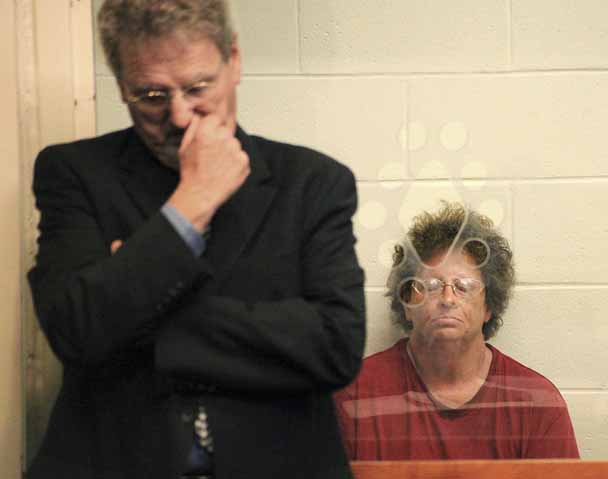 pichani Shoga Eunice Field (alieykaa), akisikiliza mashitaka dhidi yake mahakamani leo
Hapa Boston, kuna shoga kakumbwa na wivu ile mbaya baadaye ya kuibiwa mpenzi wake na shoga mwingine. Eunice Field (54) Alienda kwa yule ambaye alimwibia na kumchoma kisu mara tano. Baada ya kuua alienda kujisalimisha kwenye kitu cha polisi. Mwenye nyumba wa Lorraine Wachsman (62) alisema kwenye taarifa ya habari kuwa haukujua kuwa marehemu ni shoga. Marehemu alikuwa mwamlimu wa shule ya msingi kwa miaka mingo na alikuwa amestaafu. Kumbe hata mashoga wanakuaga na wivu!!!
***************************************************************************
BROCKTON – A prosecutor today said the Brockton woman who allegedly confessed to murdering a retired schoolteacher blamed the victim for breaking up an important romantic relationship.
Eunice Field, 54, appeared in Brockton District Court today where a not guilty plea to a charge of murder was entered on her behalf. Judge Julie S. Bernard ordered Field held without bail.
Field allegedly murdered 62-year-old Lorraine Wachsman inside Wachsman's Bridgewater condo on Monday. Assistant District Attorney Thomas Flanagan said in court today that Field stabbed Wachsman three to four times in the back and neck with a serrated knife.
Flanagan also said that Field left a note she hoped her ex-girlfriend would find. In it, Flanagan said, Field wrote that Wachsman got what she deserved for "taking away the love of her life.''
Mnaweza kusoma habari zaidi hapa:
Tuesday, December 08, 2009
Uganda Kuua Mashoga na Wenye Virusi Vya UKIMWI!!!
Sasa huko Uganda, naona zinaanza kufyatuka. Wanataka kupitisha mswaada amabo utaruhusu mashoga/wasenge wafungwe maisha au kuuwawa, wenye virusi vya UKIMWI kuuwawa! Pia wanasema hata WaGanda wanoishi ya Uganda wakijulikana kama wana hali hiyo warudishwe ili wauwawe! Na ukija mtu msenge na husemi utafungwa!
Doh, naona mambo ya Idi Amin haya! Hao wanaotakakupitsha huo mswaada waende wakapime UKIMWI kwanza. Pia waangalie familia zao na wahakikishe hawana ndugu ambaye ni mpenda jinsia moja! Sasa mtu akiwa na hasira na mtu atamwita shoga/msenge ili auwawe! MAZITO! Tutasikia watu wanakimbia Uganda kwa kuhofia maisha yao. Na watapiwa asylum nchi za magharibi.
**************************************************************************
Kutoka CNN.com
(CNN) -- As a gay man in Uganda, Frank Mugisha is used to the taunts, the slurs and the daily harassment of neighbors and friends.
But if a new bill proposed in the east African country becomes law, Mugisha could be put away for life, or worse, put to death for having sex with another man.
"Right now, you can't go to places that are crowded, because the mob can attack us or even burn us. We can't walk alone. We are ostracized by relatives. But if this bill passes, it will become impossible for me to live here at all. And that part hurts the most," Mugisha said.
The Anti-Homosexuality Bill features several provisions that human rights groups say would spur a witch hunt of homosexuals in the country:
• Gays and lesbians convicted of having gay sex would be sentenced, at minimum, to life in prison
• People who test positive for HIV may be executed
• Homosexuals who have sex with a minor, or engage in homosexual sex more than once, may also receive the death penalty
• The bill forbids the "promotion of homosexuality," which in effect bans organizations working in HIV and AIDS prevention
• Anyone who knows of homosexual activity taking place but does not report it would risk up to three years in prison.
"Who will go to HIV testing if he knows that he will suffer the death sentence?" Elizabeth Mataka, the U.N. Special Envoy on AIDS in Africa, told reporters last week. "The law will drive them away from seeking counseling and testing services."
Homosexuality is already illegal in Uganda under colonial-era laws. But the bill, introduced in October, is intended to put more teeth into prosecuting violators.
It applies even to Ugandans participating in same-sex acts in countries where such behavior is legal.
"They are supposed to be brought back to Uganda and convicted here. The government is putting homosexuality on the level of treason," Mugisha said.
Lawmakers have indicated that they will pass the bill before year's end.
It has the blessing of many religious leaders -- Muslim and Christian -- in a country where a July poll found 95 percent opposed to legalizing homosexuality.
The Rev. Esau Omara, a senior church leader, said over the weekend that any lawmaker opposing the bill will pay for it during the next election, according to local newspaper reports.
And a leading Muslim cleric, Sheikh Ramathan Shaban Mubajje, has called for gays to be rounded up and banished to an island until they die.
Several media outlets also have inflamed sentiments in recent months by publicly pointing out gays and lesbians.
Who will go to HIV testing if he knows that he will suffer the death sentence?--Elizabeth Mataka
In April, the Observer newspaper published tips to help readers spot homosexuals. And over the summer, the Red Pepper tabloid outed 45 gays and lesbians.
Uganda's President Yoweri Museveni has not publicly stated his position on the bill, but last month blamed foreign influence in promoting and funding homosexuality.
"It is true that, if the president has said that, he must have information that European nations are promoting (homosexuality) and recruiting homosexuals," government spokesman Fred Opolot said. "You must note that the president or the legislators are responding to the concern of the citizenry of the country."
At the Commonwealth summit in Trinidad and Tobago late last month, Canadian Prime Minister Stephen Harper said he pulled aside Museveni to deplore the bill.
"We find them inconsistent with, frankly, I think any reasonable understanding of human rights, and I was very clear on that with the president of Uganda," Harper told reporters.
In the United States, a coalition of Christian leaders released a statement Monday denouncing the bill.
"Regardless of the diverse theological views of our religious traditions regarding the morality of homosexuality, in our churches, communities and families, we seek to embrace our gay and lesbian brothers and sisters as God's children, worthy of respect and love," the statement read.
Human rights groups have called on Western nations to withhold aid from Uganda if the measure passes. About 40 percent of the country's budget comes from international aid.
"This draft bill is clearly an attempt to divide and weaken civil society by striking at one of its most marginalized groups," said Scott Long, director of the Lesbian, Gay, Bisexual and Transgender Rights Program at the New York-based Human Rights Watch. "The government may be starting here, but who will be next?"
Opolot, the government spokesman, said consideration of the bill in parliament is merely "democracy at work."
"We as a country are engaging and debating a pertinent issue," he said. "So if a foreign country chooses to cut aid simply because Uganda is debating its destiny, then it is quite outrageous and quite wrong."
Mugisha, who now heads the group Sexual Minority of Uganda, said he is working with lawyers and other activists to change minds and defeat the measure.
"I have put a lot of effort in this struggle. I just want to live freely every day," he said. "I want to be happy knowing that if I'm going to meet someone, I'm not going to be taken to jail forever."
Doh, naona mambo ya Idi Amin haya! Hao wanaotakakupitsha huo mswaada waende wakapime UKIMWI kwanza. Pia waangalie familia zao na wahakikishe hawana ndugu ambaye ni mpenda jinsia moja! Sasa mtu akiwa na hasira na mtu atamwita shoga/msenge ili auwawe! MAZITO! Tutasikia watu wanakimbia Uganda kwa kuhofia maisha yao. Na watapiwa asylum nchi za magharibi.
**************************************************************************
Kutoka CNN.com
(CNN) -- As a gay man in Uganda, Frank Mugisha is used to the taunts, the slurs and the daily harassment of neighbors and friends.
But if a new bill proposed in the east African country becomes law, Mugisha could be put away for life, or worse, put to death for having sex with another man.
"Right now, you can't go to places that are crowded, because the mob can attack us or even burn us. We can't walk alone. We are ostracized by relatives. But if this bill passes, it will become impossible for me to live here at all. And that part hurts the most," Mugisha said.
The Anti-Homosexuality Bill features several provisions that human rights groups say would spur a witch hunt of homosexuals in the country:
• Gays and lesbians convicted of having gay sex would be sentenced, at minimum, to life in prison
• People who test positive for HIV may be executed
• Homosexuals who have sex with a minor, or engage in homosexual sex more than once, may also receive the death penalty
• The bill forbids the "promotion of homosexuality," which in effect bans organizations working in HIV and AIDS prevention
• Anyone who knows of homosexual activity taking place but does not report it would risk up to three years in prison.
"Who will go to HIV testing if he knows that he will suffer the death sentence?" Elizabeth Mataka, the U.N. Special Envoy on AIDS in Africa, told reporters last week. "The law will drive them away from seeking counseling and testing services."
Homosexuality is already illegal in Uganda under colonial-era laws. But the bill, introduced in October, is intended to put more teeth into prosecuting violators.
It applies even to Ugandans participating in same-sex acts in countries where such behavior is legal.
"They are supposed to be brought back to Uganda and convicted here. The government is putting homosexuality on the level of treason," Mugisha said.
Lawmakers have indicated that they will pass the bill before year's end.
It has the blessing of many religious leaders -- Muslim and Christian -- in a country where a July poll found 95 percent opposed to legalizing homosexuality.
The Rev. Esau Omara, a senior church leader, said over the weekend that any lawmaker opposing the bill will pay for it during the next election, according to local newspaper reports.
And a leading Muslim cleric, Sheikh Ramathan Shaban Mubajje, has called for gays to be rounded up and banished to an island until they die.
Several media outlets also have inflamed sentiments in recent months by publicly pointing out gays and lesbians.
Who will go to HIV testing if he knows that he will suffer the death sentence?--Elizabeth Mataka
In April, the Observer newspaper published tips to help readers spot homosexuals. And over the summer, the Red Pepper tabloid outed 45 gays and lesbians.
Uganda's President Yoweri Museveni has not publicly stated his position on the bill, but last month blamed foreign influence in promoting and funding homosexuality.
"It is true that, if the president has said that, he must have information that European nations are promoting (homosexuality) and recruiting homosexuals," government spokesman Fred Opolot said. "You must note that the president or the legislators are responding to the concern of the citizenry of the country."
At the Commonwealth summit in Trinidad and Tobago late last month, Canadian Prime Minister Stephen Harper said he pulled aside Museveni to deplore the bill.
"We find them inconsistent with, frankly, I think any reasonable understanding of human rights, and I was very clear on that with the president of Uganda," Harper told reporters.
In the United States, a coalition of Christian leaders released a statement Monday denouncing the bill.
"Regardless of the diverse theological views of our religious traditions regarding the morality of homosexuality, in our churches, communities and families, we seek to embrace our gay and lesbian brothers and sisters as God's children, worthy of respect and love," the statement read.
Human rights groups have called on Western nations to withhold aid from Uganda if the measure passes. About 40 percent of the country's budget comes from international aid.
"This draft bill is clearly an attempt to divide and weaken civil society by striking at one of its most marginalized groups," said Scott Long, director of the Lesbian, Gay, Bisexual and Transgender Rights Program at the New York-based Human Rights Watch. "The government may be starting here, but who will be next?"
Opolot, the government spokesman, said consideration of the bill in parliament is merely "democracy at work."
"We as a country are engaging and debating a pertinent issue," he said. "So if a foreign country chooses to cut aid simply because Uganda is debating its destiny, then it is quite outrageous and quite wrong."
Mugisha, who now heads the group Sexual Minority of Uganda, said he is working with lawyers and other activists to change minds and defeat the measure.
"I have put a lot of effort in this struggle. I just want to live freely every day," he said. "I want to be happy knowing that if I'm going to meet someone, I'm not going to be taken to jail forever."
Tuesday, April 28, 2009
Ushoga Unashamiri Marekani!
 (Pichani ) Mcheza sinema Cynthia Nixon (kulia)na Mpenzi Wake Christine
Wadau, siku hizi kuna mtindo wa ajabu. Wanawake wanaacha wanaume wao waliofunga ndoa nao, wanawake wengine wanaacha boyfriends wao, wanawake wengine wanatupa wachumba wao.... na kuanza urafiki na mwanamke! Loh!
Nadhani shida ni kuwa hao wanaume hawawezi kuwaridhisha kimapenzi. Mwanamke anaelewa wapi patamu mwilini mwake, na wanaume wengine si wavumilivu kujua haja za wapenzi wao. Hivyo ushoga unashamiri!
Mwisho wa dunia lazima uko karibu!
Wadau, mnasemaje hapo?
Hebu soma hi habari:
Friday, September 12, 2008
Weusi, Mashoga waongoza kwa UKIMWI Marekani

Hizi takrimu zinatisha! Yaani mtu mweusi ana chance kubwa ya kupata UKIMWI kuliko watu wengine Marekani. Duh! Ni kweli huu ugonjwa ulitengenezwa kwenye maabara kwa nia ya kumaliza weusi duniani!
*************************************************************
CDC: Blacks, gays at high risk for new HIV infections
ATLANTA, Georgia (CNN) -- Young black gay men, black women and white gay men in their 30s and 40s are much more likely to be newly infected with HIV than other groups in the United States, according to a new analysis from the Centers for Disease Control and Prevention.
The analysis -- based on figures showing that the HIV infection rate for 2006 is much worse than previously thought -- looks at the number of new HIV infections and who gets them. The study appears in this week's Morbidity and Mortality Weekly Report.
It shows 53 percent of the estimated 56,000 cases of new HIV infection in 2006 were among gay and bisexual men, and 46 percent of the infections occurred among blacks. Within the gay and bisexual group, young black men (13 to 29 years old ) were roughly twice as likely to get infected as young white and young Hispanic men. And among women, black women were almost 15 times more likely to get HIV than white women and almost four times more likely than Hispanic women.
These new figures -- highlighting which age, gender and racial groups are at higher risk -- are based on data released by the CDC in August. Those numbers showed that new HIV infections for 2006 were 40 percent higher than the CDC had previously estimated. See the new analysis of HIV data »
"The new analysis include a wealth of information, but there are three big take-aways," according to Dr. Kevin Fenton, director of the National Center for HIV/AIDS, Viral Hepatitis, STD and TB Prevention at the CDC.
"First, the number of new HIV infections among young black [gay and bisexual men] is alarming and shows the need to reach each new generation with prevention early in their lives. Second, the heavy impact of HIV infection in white [gay and bisexual men] in older age groups demonstrates the need for ongoing efforts to keep gay and bisexual men HIV-free over the course of their lifetime. A third finding: compared to women of all races, black women bear the heaviest burden of HIV," Fenton said.
The higher rate of new HIV infections among young gay black men and black women comes as no surprise to Phill Wilson, the CEO and founder of Black AIDS Institute, a think-tank based in Los Angeles, California. "Basically, it affirms what we have known for a long time and what we have been telling the CDC for a very long time," Wilson said.
The CDC study didn't examine the specific factors that account for the heavy burden of HIV among young black gay men, but the CDC has theories.
"Other data suggest a range of possible factors," said Richard Wolitski, acting director, Division of HIV/AIDS Prevention at CDC.
"They include stigma, lack of access to effective HIV prevention services and underestimation of personal risk. In addition, many younger men have not personally experienced the severity of the early AIDS epidemic."
Wolitski said differences in the frequency of high-risk sexual behavior and substance use do not account for this disparity.
White gay and bisexual men account for close to half, or 46 percent, of HIV incidence among gay and bisexual men, but the majority of new infections occurred in men in their 30s, followed by men in the 40s, the CDC found.
"A range of factors likely contribute to continued transmission in these age groups," said Wolitski, noting the marked difference in age at the time of infection in the different racial groups. "They include the difficulty of consistently maintaining safer behaviors for many years or even decades, as well as homophobia, substance abuse and higher HIV prevalence within this group."
Among Hispanic gay and bisexual men, most new infections occurred in the young age group, like blacks, but at much lower rates.
Black women are also disproportionately at risk of HIV infection.
"Based on the incidence estimates released last month, we already know that African Americans overall accounted for 45 percent of new HIV infection in 2006, while representing only 12 percent of the U.S. population," Wolitski said. "[The Morbidity and Mortality Weekly Report's] data show that while there were fewer new HIV infections among black women than there were among black men, black women were far more affected by HIV than women of other races."
"A range of issues may contribute to the disproportionate HIV risk for African-Americans in the United States, including poverty, stigma, limited access to health care, [an already existing] higher HIV prevalence among African-Americans, higher rates of other STDs and drug abuse. Many black women face additional challenges such as power imbalances with men in sexual relationships, which can limit their ability to protect themselves, like using condoms," Wolitski said.
The CDC hopes that these new figures can help it target education and prevention efforts to specific populations.
"Today's analysis serves as a powerful reminder that the United States epidemic of HIV is far from over and that we all need to do more," Fenton said. "The U.S. epidemic will end only when all of us -- federal, state and local government; politicians, communities, businesses, social and civic organizations; schools, families and individuals across the nation -- realize that ending AIDS is possible and then collectively commit to make that happen."
Wilson, while hopeful that the new figures will bring new attention to an old problem, is less sanguine. He notes that the U.S. doesn't spend enough resources to end the HIV epidemic, that the money doesn't target the groups at highest risk, and that it doesn't use organizations with proven track record of reaching and mobilizing the black community.
"When it comes to black America, we continue to be an afterthought when it comes to HIV prevention," Wilson said.
*************************************************************
CDC: Blacks, gays at high risk for new HIV infections
ATLANTA, Georgia (CNN) -- Young black gay men, black women and white gay men in their 30s and 40s are much more likely to be newly infected with HIV than other groups in the United States, according to a new analysis from the Centers for Disease Control and Prevention.
The analysis -- based on figures showing that the HIV infection rate for 2006 is much worse than previously thought -- looks at the number of new HIV infections and who gets them. The study appears in this week's Morbidity and Mortality Weekly Report.
It shows 53 percent of the estimated 56,000 cases of new HIV infection in 2006 were among gay and bisexual men, and 46 percent of the infections occurred among blacks. Within the gay and bisexual group, young black men (13 to 29 years old ) were roughly twice as likely to get infected as young white and young Hispanic men. And among women, black women were almost 15 times more likely to get HIV than white women and almost four times more likely than Hispanic women.
These new figures -- highlighting which age, gender and racial groups are at higher risk -- are based on data released by the CDC in August. Those numbers showed that new HIV infections for 2006 were 40 percent higher than the CDC had previously estimated. See the new analysis of HIV data »
"The new analysis include a wealth of information, but there are three big take-aways," according to Dr. Kevin Fenton, director of the National Center for HIV/AIDS, Viral Hepatitis, STD and TB Prevention at the CDC.
"First, the number of new HIV infections among young black [gay and bisexual men] is alarming and shows the need to reach each new generation with prevention early in their lives. Second, the heavy impact of HIV infection in white [gay and bisexual men] in older age groups demonstrates the need for ongoing efforts to keep gay and bisexual men HIV-free over the course of their lifetime. A third finding: compared to women of all races, black women bear the heaviest burden of HIV," Fenton said.
The higher rate of new HIV infections among young gay black men and black women comes as no surprise to Phill Wilson, the CEO and founder of Black AIDS Institute, a think-tank based in Los Angeles, California. "Basically, it affirms what we have known for a long time and what we have been telling the CDC for a very long time," Wilson said.
The CDC study didn't examine the specific factors that account for the heavy burden of HIV among young black gay men, but the CDC has theories.
"Other data suggest a range of possible factors," said Richard Wolitski, acting director, Division of HIV/AIDS Prevention at CDC.
"They include stigma, lack of access to effective HIV prevention services and underestimation of personal risk. In addition, many younger men have not personally experienced the severity of the early AIDS epidemic."
Wolitski said differences in the frequency of high-risk sexual behavior and substance use do not account for this disparity.
White gay and bisexual men account for close to half, or 46 percent, of HIV incidence among gay and bisexual men, but the majority of new infections occurred in men in their 30s, followed by men in the 40s, the CDC found.
"A range of factors likely contribute to continued transmission in these age groups," said Wolitski, noting the marked difference in age at the time of infection in the different racial groups. "They include the difficulty of consistently maintaining safer behaviors for many years or even decades, as well as homophobia, substance abuse and higher HIV prevalence within this group."
Among Hispanic gay and bisexual men, most new infections occurred in the young age group, like blacks, but at much lower rates.
Black women are also disproportionately at risk of HIV infection.
"Based on the incidence estimates released last month, we already know that African Americans overall accounted for 45 percent of new HIV infection in 2006, while representing only 12 percent of the U.S. population," Wolitski said. "[The Morbidity and Mortality Weekly Report's] data show that while there were fewer new HIV infections among black women than there were among black men, black women were far more affected by HIV than women of other races."
"A range of issues may contribute to the disproportionate HIV risk for African-Americans in the United States, including poverty, stigma, limited access to health care, [an already existing] higher HIV prevalence among African-Americans, higher rates of other STDs and drug abuse. Many black women face additional challenges such as power imbalances with men in sexual relationships, which can limit their ability to protect themselves, like using condoms," Wolitski said.
The CDC hopes that these new figures can help it target education and prevention efforts to specific populations.
"Today's analysis serves as a powerful reminder that the United States epidemic of HIV is far from over and that we all need to do more," Fenton said. "The U.S. epidemic will end only when all of us -- federal, state and local government; politicians, communities, businesses, social and civic organizations; schools, families and individuals across the nation -- realize that ending AIDS is possible and then collectively commit to make that happen."
Wilson, while hopeful that the new figures will bring new attention to an old problem, is less sanguine. He notes that the U.S. doesn't spend enough resources to end the HIV epidemic, that the money doesn't target the groups at highest risk, and that it doesn't use organizations with proven track record of reaching and mobilizing the black community.
"When it comes to black America, we continue to be an afterthought when it comes to HIV prevention," Wilson said.
Friday, May 16, 2008
Ellen DeGeneres anaoa!

Yule shoga ambaye anajulikana kuliko wote hapa Marekani, Ellen Degereneres (50) ametangaza leo kuna anaoa! Ndiyo, anaoa na siyo kuolewa! Anamwoa mpenzi wake, mrembo Portia DeRossi.
Jana, mahakama huko California waliamua kuwa ni ruksa kwa wasenge na mashoga (wapenda jinsia moja) kufunga ndoa kama wanavyofanya hapa kwetu Massachusetts. Bila kuchelewa Ellen katangaza habari yake 'njema'.
Kama mnakumbuka zamani shoga wa Ellen alikuwa mcheza sinema, Anne Heche. Walikorofishana halafu Anne alienda kuolewa na mwanaume!
Hivi kwenye honeymoon wanafanya nini hao?
*************************************************
LOS ANGELES, California (AP) -- Ellen DeGeneres is putting the California Supreme Court ruling in favor of gay marriage into action -- she and Portia de Rossi plan to wed, DeGeneres announced during a taping of her talk show.
During a taping of her TV show, Ellen DeGeneres says she plans to marry her girlfriend, Portia de Rossi.
DeGeneres was taping the episode of "The Ellen DeGeneres Show" on Thursday, the day the state's high court struck down California laws against gay marriage, and it was to air Friday, a person close to the production said.
During a taping of her TV show, Ellen DeGeneres says she plans to marry her girlfriend, Portia de Rossi.
DeGeneres was taping the episode of "The Ellen DeGeneres Show" on Thursday, the day the state's high court struck down California laws against gay marriage, and it was to air Friday, a person close to the production said.
The person, who was not authorized to discuss the matter publicly, spoke to The Associated Press on the condition of anonymity.
Citing the court's ruling, DeGeneres said she and girlfriend de Rossi ("Ally McBeal," "Nip/Tuck") would be getting married.
De Rossi, 35, who was in the studio, and DeGeneres, 50, were applauded by audience members, the person close to the production said.
Saturday, September 01, 2007
Aibu! Senator Ajiuzulu baada ya kufanya mambo ya kishoga chooni!


Makubwa! Kumbe huko chooni kwa wanaume kuna mambo. Ukiona mwanaume anagonga gonga mguu, au kupitisha mkono wake chini ya kitenganisho au kucheki nani kakaa kwenye choo ni ishara za kishoga!
Bila shaka mmesikia kuwa Senator Larry Craig, wa Idaho amejiuzulu leo baada ya skandali iliyompata. Akiwa safarini alipatwa na nyege choo huko kwenye uwanja wa ndege ya Minneapolis Minnesota. Sasa akawa anamtafuta mtu wa kumridhisha. Alidhani kampata kumbe anaopoa polisi aliyevaa kiraia! Polisi huyo alimkamata na Senator Craig alikiri mashtaka dhidi yake na kulipa faini na kukwepa kufunga jela. Alikiri kwa vile alidhani mambo yataisha pale. Kumbe kuna gazeti iliyokuwa inasaka habari zake. Ndo hao waliotoa habari za maovu yake na kukamtwa kwake huko Minneapolis.
Kichekesho zaidi, alidai kuwa aligonga mguu wa huyo polisi aliyekaa choo cha pili kwa vile, akisimama kukojoa anapanua miguu sana. Waandishi wa habri walifanya majribio na kuona haiwezekani hasa kama umeshusha suruali kwenye magoti!
Hayo mambo yapo sehemu nyingi hapa Marekani, lakini kitu ambacho nimechukia kuhusu Senator Craig ni kuwa ni Mnafiki mkubwa! Nasema ni mnafiki kwa sababu alikuwa anakashifu mambo ya kishoga na kupinga mambo ya ndoa za wasenge, na kujidai ni mtakatifu. Kumbe yeye ni moja wao. Hivyo yule shoga aliyejitokeza na kusema kuwa alifanya mapenzi na Senator Craig chooni Washington D.C. mwaka jana hakuwa mwongo.
Na mjue kuwa Republicans wenzake walimlazimisha kujiuzulu maana ni aibu kubwa, na hawataki kukosa kura kwenye uchaguzi ujao. Haya Senator Craig, sasa mambo yako wazi, hivyo vaa gauni, sidiria, na wigi na ufanye unavyotaka. Mambo yako hayako kwenye closet tena.
Kwa kweli lazima tuwahurumie familia yake, maana kwa hapa Marekani ni kashfa nzito. Ana mke, watoto na wajukuu.
Kwa habari zaidi someni:
http://www.cnn.com/2007/POLITICS/09/01/craig.arrest/index.html
http://www.iht.com/articles/2007/09/01/america/31cndcraig.php
http://seattletimes.nwsource.com/html/politics/2003858123_craig29.html
Subscribe to:
Comments (Atom)