Showing posts with label Terrorism. Show all posts
Showing posts with label Terrorism. Show all posts
Saturday, September 17, 2016
Madereva wa Malori Watekwa Nyara huko Congo!
DAR ES SALAAM, Tanzania (AP) - Tanzania's government and a transport group say an armed group operating in eastern Congo has seized six Tanzanian and four Kenyan truck drivers and is seeking ransom.
Tanzania's foreign ministry said in a statement Thursday that it is working with Congo's government to secure the release of the Tanzanians.
Angelina Ngalula, who leads the Tanzania Truck Owners Association, says an armed group blocked 12 cargo trucks carrying cement between Tanzania and Congo on Wednesday, setting four trucks ablaze and seizing the drivers. Two of the 12 drivers escaped.
Ngalula says four of the truckers are from Kenya.
She says the armed group is demanding $4,000 per driver in ransom.
Eastern Congo has a number of armed groups active in a vast and mineral-rich region.


Thursday, July 03, 2014
'Specific threat' of attack at Entebbe airport
KAMPALA - The US embassy in Uganda warned Thursday of a "specific threat" by an unknown group to attack the international airport serving the capital Kampala.
The alert came as travellers flying to the United States from Europe and the Middle East faced tighter security because of new concerns about the development of explosives that could circumvent airport security.
"The US embassy has received information from the Uganda police force that according to intelligence sources there is a specific threat to attack Entebbe International Airport by an unknown terrorist group today, July 3rd, between the hours of 2100-2300 (1800 GMT to 2000 GMT)," the statement said.
Although it did not name any group, Al-Qaeda linked Shebab insurgents have claimed recent attacks in Kenya and Djibouti.
Uganda has troops in Somalia as part of the African Union force fighting the Shebab and is on high alert amid fears of attacks by the Islamist militants.
'Specific threat' of attack at Entebbe airport
Uganda in danger of Terrorist Attack!
The alert came as travellers flying to the United States from Europe and the Middle East faced tighter security because of new concerns about the development of explosives that could circumvent airport security.
"The US embassy has received information from the Uganda police force that according to intelligence sources there is a specific threat to attack Entebbe International Airport by an unknown terrorist group today, July 3rd, between the hours of 2100-2300 (1800 GMT to 2000 GMT)," the statement said.
Although it did not name any group, Al-Qaeda linked Shebab insurgents have claimed recent attacks in Kenya and Djibouti.
Uganda has troops in Somalia as part of the African Union force fighting the Shebab and is on high alert amid fears of attacks by the Islamist militants.
'Specific threat' of attack at Entebbe airport
Uganda in danger of Terrorist Attack!
Tuesday, May 13, 2014
Boko Haram Trror in Nigeria
Reports says that one of the kidnapped girls has been stones to death, while another has been beheaded for refusing to accept Islam. Meanwhile, read the repor below from CNN on what is it like in the area that Boko Haram is terrorizing.
************************************************
From CNN.Com
Witnesses to Terror
STORY HIGHLIGHTS
On April 14, Boko Haram militants abducted more than 200 girls from a school in Nigeria
The schoolgirls had been sleeping at the school in Chibok, in northeastern Borno State
Producer Lillian Leposo was part of a CNN team that spent four days traveling to the village
They passed numerous checkpoints until the final 45 minute leg to Chibok its Ahead of the rain-lashed vehicles, tree branches lay across the road. We'd encountered countless military, police and vigilante checkpoints but now we were in Boko Haram's backyard, we worried if the checkpoints were being replaced by ambushes.
After the kidnapping of more than 200 schoolgirls from a school in northern Nigeria, the whole world's attention was focused on one village - Chibok -
Setting up interviews with those impacted by the mass abduction was quite a task, but once in place, the bigger challenge became "how do we safely get there." I have covered conflict zones before and always focus on the stories we'll hope to get, rather than the potential danger. That's how I deal with the fear.
We were trying to find security escorts, but no one was willing to journey to Chibok, which is situated in Borno State -- one of the three states considered to be the heartland of Boko Haram.
The militant Islamist group has bombed schools, churches and mosques; kidnapped women and children; and assassinated politicians and religious leaders. It was unlikely they would welcome Western journalists, and those accompanying us, with open arms.
Map: Nima Elbagir's route to ChibokMap: Nima Elbagir's route to Chibok
The journey from the relative safety of Nigeria's capital, Abuja, to the remote countryside stalked by Boko Haram can take 8 to 10 hours, but logistics and security concerns meant that it took us four days.
We traveled in two cars -- 4x4s to handle the terrain.
Even before we reached the militant-plagued area, we suffered setbacks. In Bauchi State, a tire on the first car blew-out, causing it to lose control.
Now we were down one car. It was hours before we could find a resident willing to lend his rundown car to us and to travel to Chibok. Eventually this car broke down and had to be abandoned.
'Why did I come?'
When we entered Borno State, we were hit by a violent storm.
During the day, Chibok looks like a normal village. But at night is when you see the fear and terror.
Lillian Leposo
We could see absolutely nothing as strong rains lashed our vehicles. Night had fallen, we were still far away from our destination of the state capital Maiduguri and our driver was unfamiliar with the road. We couldn't see to the side, behind or ahead.
While covering stories in other conflict zones, there have been instances when the danger was so apparent that I wondered - "Why did I come?" For this story, it was that night as we entered Borno State -- in the dark during a strong storm.
The situation was all the more eerie because the storm had brought down branches across the road and we wondered if we were being set up for an ambush.
Eventually, however, we did arrive in the relative safety of Maiduguri, the state's capital, only to encounter another hurdle.
We had organized a police escort to accompany us for the final, most dangerous leg from Maiduguri south to Chibok. The road is notorious for ambushes and attacks by Boko Haram.
As we readied to journey along it on our third day, our police escort said they could not take us because that morning it had been the scene of a shootout between the militants -- who had come from raiding a village - and security forces. One of the officials had been shot in the neck.
Beyond the checkpoints
By the time we left with a police escort the following day, it was about noon.
New video allegedly shows Nigerian girls Exclusive interview with kidnapped girl Complications in the search for Nigerian girls Nigerian father: Nothing has been done
Photos: Nigerians protest over kidnapped girls Photos: Nigerians protest over kidnapped girls
Our route had all been tarmac until the town of Damboa, from where the road leads to Chibok.
From that point, there's no tarmac whatsoever. Drivers are forced to swerve left and right to avoid the potholes caused by the heat and it's really rough terrain -- savannah.
Damboa also hosted the last security checkpoint we encountered.
Prior to that we had been forced to stop constantly. There would be a military checkpoint, a few minutes later a police checkpoint and then a few minutes later a vigilante checkpoint -- staffed by local men armed with machetes looking out for Boko Haram.
But on the road to the village now the focus of the whole world's attention because of the atrocity that took place there -- there was nothing, not one checkpoint.
We were driving through a vast area of open land, high grass and shrubs. And there was no homestead in sight. Any checkpoint set up by the security forces would basically make them sitting ducks for the insurgents.
Our convoy was on its own.
Our police escorts were armed with AK-47 rifles and we had flak jackets on the seats beside us -- kept out of sight so as not to raise questions about our purpose -- but our main defense was to drive as fast as possible along the pitted road for the 45-minute journey.
A number of thoughts went through my mind; this was the road to Chibok; militants could storm us from anywhere on that road.
It was a very scary moment. And at the same time I kept thinking, "how is it possible that there is no single security check point towards this village? Not even one?"
Arriving in Chibok we found a spread-out village with a vibrant market with residents buying and selling food stuffs. The most popular stand, however, is the phone charging stand - because there is no power in the homes.
Overnight stay
Our late departure meant we had arrived in Chibok around 3pm and the police said it was too dangerous to return along the same road so we had to sleep over in the village. That wasn't part of the plan. Ever.
We were offered guest huts to stay in. But we declined as our presence would be so obvious -- and of course we didn't want to be with the police because if there was an attack that would be where a shootout would be.
A very brave local family hosted us, providing us with mats to sleep outside. A village that has lost so much still found reserves of humanity to offer us hospitality.
During the day, Chibok looks like a normal village. But at night is when you see the fear and terror. The women, elderly and children go to sleep. And the young men stay awake, doing patrols, keeping vigil.
CNN's team joined them, and discovered that one thing was clear: Chibok residents have stopped waiting for the government, they are protecting their own.
*CNN's Nima Elbagir's report on the Chibok night patrol will be published on CNN.com Tuesday.
************************************************
From CNN.Com
Witnesses to Terror
STORY HIGHLIGHTS
On April 14, Boko Haram militants abducted more than 200 girls from a school in Nigeria
The schoolgirls had been sleeping at the school in Chibok, in northeastern Borno State
Producer Lillian Leposo was part of a CNN team that spent four days traveling to the village
They passed numerous checkpoints until the final 45 minute leg to Chibok its Ahead of the rain-lashed vehicles, tree branches lay across the road. We'd encountered countless military, police and vigilante checkpoints but now we were in Boko Haram's backyard, we worried if the checkpoints were being replaced by ambushes.
After the kidnapping of more than 200 schoolgirls from a school in northern Nigeria, the whole world's attention was focused on one village - Chibok -
Setting up interviews with those impacted by the mass abduction was quite a task, but once in place, the bigger challenge became "how do we safely get there." I have covered conflict zones before and always focus on the stories we'll hope to get, rather than the potential danger. That's how I deal with the fear.
We were trying to find security escorts, but no one was willing to journey to Chibok, which is situated in Borno State -- one of the three states considered to be the heartland of Boko Haram.
The militant Islamist group has bombed schools, churches and mosques; kidnapped women and children; and assassinated politicians and religious leaders. It was unlikely they would welcome Western journalists, and those accompanying us, with open arms.
Map: Nima Elbagir's route to ChibokMap: Nima Elbagir's route to Chibok
The journey from the relative safety of Nigeria's capital, Abuja, to the remote countryside stalked by Boko Haram can take 8 to 10 hours, but logistics and security concerns meant that it took us four days.
We traveled in two cars -- 4x4s to handle the terrain.
Even before we reached the militant-plagued area, we suffered setbacks. In Bauchi State, a tire on the first car blew-out, causing it to lose control.
Now we were down one car. It was hours before we could find a resident willing to lend his rundown car to us and to travel to Chibok. Eventually this car broke down and had to be abandoned.
'Why did I come?'
When we entered Borno State, we were hit by a violent storm.
During the day, Chibok looks like a normal village. But at night is when you see the fear and terror.
Lillian Leposo
We could see absolutely nothing as strong rains lashed our vehicles. Night had fallen, we were still far away from our destination of the state capital Maiduguri and our driver was unfamiliar with the road. We couldn't see to the side, behind or ahead.
While covering stories in other conflict zones, there have been instances when the danger was so apparent that I wondered - "Why did I come?" For this story, it was that night as we entered Borno State -- in the dark during a strong storm.
The situation was all the more eerie because the storm had brought down branches across the road and we wondered if we were being set up for an ambush.
Eventually, however, we did arrive in the relative safety of Maiduguri, the state's capital, only to encounter another hurdle.
We had organized a police escort to accompany us for the final, most dangerous leg from Maiduguri south to Chibok. The road is notorious for ambushes and attacks by Boko Haram.
As we readied to journey along it on our third day, our police escort said they could not take us because that morning it had been the scene of a shootout between the militants -- who had come from raiding a village - and security forces. One of the officials had been shot in the neck.
Beyond the checkpoints
By the time we left with a police escort the following day, it was about noon.
New video allegedly shows Nigerian girls Exclusive interview with kidnapped girl Complications in the search for Nigerian girls Nigerian father: Nothing has been done
Photos: Nigerians protest over kidnapped girls Photos: Nigerians protest over kidnapped girls
Our route had all been tarmac until the town of Damboa, from where the road leads to Chibok.
From that point, there's no tarmac whatsoever. Drivers are forced to swerve left and right to avoid the potholes caused by the heat and it's really rough terrain -- savannah.
Damboa also hosted the last security checkpoint we encountered.
Prior to that we had been forced to stop constantly. There would be a military checkpoint, a few minutes later a police checkpoint and then a few minutes later a vigilante checkpoint -- staffed by local men armed with machetes looking out for Boko Haram.
But on the road to the village now the focus of the whole world's attention because of the atrocity that took place there -- there was nothing, not one checkpoint.
We were driving through a vast area of open land, high grass and shrubs. And there was no homestead in sight. Any checkpoint set up by the security forces would basically make them sitting ducks for the insurgents.
Our convoy was on its own.
Our police escorts were armed with AK-47 rifles and we had flak jackets on the seats beside us -- kept out of sight so as not to raise questions about our purpose -- but our main defense was to drive as fast as possible along the pitted road for the 45-minute journey.
A number of thoughts went through my mind; this was the road to Chibok; militants could storm us from anywhere on that road.
It was a very scary moment. And at the same time I kept thinking, "how is it possible that there is no single security check point towards this village? Not even one?"
Arriving in Chibok we found a spread-out village with a vibrant market with residents buying and selling food stuffs. The most popular stand, however, is the phone charging stand - because there is no power in the homes.
Overnight stay
Our late departure meant we had arrived in Chibok around 3pm and the police said it was too dangerous to return along the same road so we had to sleep over in the village. That wasn't part of the plan. Ever.
We were offered guest huts to stay in. But we declined as our presence would be so obvious -- and of course we didn't want to be with the police because if there was an attack that would be where a shootout would be.
A very brave local family hosted us, providing us with mats to sleep outside. A village that has lost so much still found reserves of humanity to offer us hospitality.
During the day, Chibok looks like a normal village. But at night is when you see the fear and terror. The women, elderly and children go to sleep. And the young men stay awake, doing patrols, keeping vigil.
CNN's team joined them, and discovered that one thing was clear: Chibok residents have stopped waiting for the government, they are protecting their own.
*CNN's Nima Elbagir's report on the Chibok night patrol will be published on CNN.com Tuesday.
Wednesday, September 25, 2013
Al Shaabab ni Nani?
Al
Shaabab Ni Nani? ( Makala Raia Mwema)
ULIMWENGU umepatwa na mshtuko mkubwa kwa kuona picha za tukio kubwa la kigaidi kwenye moja ya maduka makubwa jijini Nairobi. Hili ni shambulio kubwa la kigaidi kupata kutokea Afrika Mashariki tangu lile la mwaka 1998. Na ajabu ya kihitoria ni kuwa matukio mengi ya kigaidi yametokea katika mwezi wa Septemba.
La Nairobi ni shambulizi la kigaidi la kulaaniwa vikali na wapenda amani wote ulimwenguni. Hata hivyo, moja ya tafsiri ya vitendo vya kigaidi tunavyovishuhudia Nairobi ni kuwepo kwa hali ya vita vya kigaidi vyenye kuendeshwa kwenye maeneo ya mijini (Urban terrorism).
Ni shambulizi lenye athari mbaya kiuchumi si tu kwa nchi ya Kenya, bali hata majirani zake ikiwemo Tanzania. Ni shambulizi lililowaogopesha wageni wengi wakiwamo wawekezaji pia. Kwamba Al Shabaab inalenga pia nchi za Magharibi. Hivyo basi, hata raia wake. Kunahitajika jitihada za pamoja kuwaondoa hofu watu wa mataifa ya nje, kuwa kilichotokea Nairobi kitadhibitiwa kwa njia zote, kisitokee tena.
Na hakika, aina hii ya ugaidi ni ngumu sana kudhibitika hatakama nchi ina jeshi kubwa na lenye vifaa vya kisasa. Inahitaji ushiriki wa raia wema katika kutoa taarifa za wahalifu hata kabla hawajafanya matendo yao maovu. Inahitaji pia maandalizi makini, ya kuwa na vikosi vilivyo tayari wakati wote kukabiliana na matukio kama haya.
Ni dhahiri, kuwa mbinu inazotumika kikundi cha kigaidi cha Al Shaabab ambacho maana hasa ya jina hilo ni ' Vijana', ni moja ya changamoto kubwa katika mapambano dhidi ya ugaidi.
Al Shabaab iliundwa mwaka 2006. Kinasemekana kuwa na wapiganaji wenye silaha wapatao 10,000. Al Shabaab katika miaka ya karibuni wamepoteza maeneo mengi ya mijini waliyokuwa wakiyadhibiti, ikiwamo mji wa Kismayu ambao majeshi ya Kenya yaliudhibiti baada ya kuwasambaratisha Al Shabaab. Kwa sasa Al Shabaab bado wana nguvu maeneo ya vijijini katika Somalia.
Kufuatia Kenya kujiingisha kijeshi kupanbana na Al Shaabab, kikundi hicho kimeifanya Kenya kuwa adui na kutangaza wazi azma yake ya kuishambulia Kenya. Mwezi Aprili mwaka huu watu watano walipoteza maisha nchini Kenya baada ya wapiganaji wa Al Shabaab kuingia kwa nguvu wakiwa na silaha kwenye mgahawa mmoja kwenye mji wa Garissa nchini Kenya.
Mwaka 2012 ndipo Al Shabaab walipojiunga rasmi na mtandao wa kigaidi wa Al qaida chini ya kiongozi wa Al qiada, Ayman al- Zawahiri.
Hakika, hapa duniani matukio ya kigaidi yameongezeka.
Kwa faida ya wasomaji, nitaanza kwa kuangalia chimbuko la ugaidi kihistoria. Ni rahisi kusema kwamba ulimwengu umebadilika baada ya ugaidi wa Septemba 11 mwaka 2001 kule Marekani. Kwamba ugaidi umesogea karibu zaidi katika fikra zetu. Watanzania bado tunakumbuka tukio la shambulizi la kigaidi dhidi ya jengo la Ubalozi wa Marekani jijini Dar Es Salaam Agosti 7, 1998.
Sura ya ugaidi imeonekana vema zaidi miongoni mwa walimwengu. Bila shaka, picha ya filamu ya televisheni yenye kuonesha majengo mawili ya World Trade Centre kule Marekani yakitunguliwa na kuanguka, zimeonwa na takribani asilimia 75 ya watu wa ulimwengu huu. Katika hili la kuchambua ugaidi, hebu
basi tuanze na kujiuliza; Ugaidi ni nini?
Itakumbukwa wabunge wa bunge la Jamhuri ya Muungano walipokutana Dodoma mwaka 2002 walipitisha Muswaada wa Ugaidi. Wabunge wetu walitumia muda mwingi sana kujadili tafsiri ya neno "ugaidi".
Kwa kifupi, ugaidi ukitafsiri kutoka neno la Kiingereza "Terrorism" tunapata maana ya "hofu". Neno la Kiingereza "Terror" lina maana ya hali ya "kutisha".
Vitendo vya kigaidi hutumiwa na mtu au makundi ya watu ili kuwaingizia watu hofu ndani ya mioyo yao na pengine hata kuchukua madaraka ya kisiasa. Ugaidi ni njia ya mnyonge na hata mwenye nguvu kutimiza malengo yake. Hili litafafanulika zaidi kadri utakapofuatilia maandiko haya.
Kihistoria tunaona kuwa, vitendo vingi vya kigaidi humu duniani vimefanywa pia na dola zilizo madarakani kwa minajili ya kuendelea kushika hatamu za dola. Mathalan, msemo wa " Utawala dhalimu" kwa tafsiri ya Kiingereza "Terror regime" hutumika tunapoielezea dola yenye kutumia mabavu na nguvu nyingi kupita kiasi. Dola au mtawala asiyezingatia sheria wala haki za kibinadamu.
Msamiati huu wa utawala dhalimu unatokana na lugha ya Kifaransa na una chimbuko la Mapinduzi ya Wananchi kule Ufaransa kati ya mwaka 1789 hadi 1799. Utawala dhalimu wenye kutisha" la terreur" ulikuwepo kule Ufaransa kunako miaka ya kati ya 1792 hadi 1794. Katika kipindi hicho watu takribani 40,000, wengi wao wakiwa wakulima na wahunzi waliuawa.
Mifano ya tawala dhalimu na za kutisha katika sehemu nyingine za dunia ni kama Urusi ya zamani chini ya dikteta Stalin, utawala wa Kinazi wa Ujerumani kati ya 1933-1945 chini ya Fashisti Hittler.
Katika Afrika, tuna pia mifano kadhaa ya tawala dhalimu na za kutisha ambazo kimsingi ni tawala za kigaidi. Uganda ya Idd Amin, Afrika ya Kati ya Bokassa, Zaire ya Mobutu, na nchi nyingine nyingi. Hizi zilikuwa tawala dhalimu.
Ugaidi kimsingi ni ile hali ya mtu, kikundi au dola, kwa maana ya taifa,kutumia nguvu nje ya wigo wa sheria ili kufikia malengo yao. Mwenye kuendesha vitendo vya kigaidi huchagua watu wake watakaoathirika na vitendo hivyo. Si lazima mtu au watu hao watakaoathirika wawe ni wahusika wa moja kwa moja wa mgogoro husika, isipokuwa, waathirika mara nyingi huchaguliwa na huonekana kama wawakilishi wa malengo ambayo magaidi wanataka kuyafikia.
Malengo au sababu za ugaidi zaweza kuwa ni za kidini, kijamii na kisiasa.
Ugaidi huwa wa kimataifa pale tukio la kigaidi linapofanywa nje ya mipakaya yule anayatenda tendo la kigaidi, au raia wa nchi moja wanapokuwawalengwa na kauthirika na tendo la kigaidi katika nchi ya tatu, mathalan,magaidi kutoka Colombia wanapofanya tendo la kigaidi dhidi ya raia waUingereza katika nchi ya Zambia.
0754 678 252, http://mjengwablog.com
Thursday, August 08, 2013
Mabinti waKizungu Wamwagiwa Tindikali Mjini Zanzibar
Jamani, kisa cha kuwaumiza watoto wa watu? Hao mabinti walikuwa Zanzibar kama walimu wa Kiingereza, kisa cha kuwaumiza? Je, hao wahuni waliwamwagia tindikali watakamatwa?
************************************
Two British women injured in Zanzibar Acid Attack
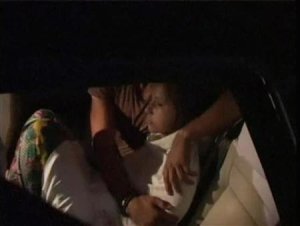
One of the two British teenage victims of an acid attack is comforted by an unidentified man in a vehicle …


Kutoka Yahoo News
DAR ES SALAAM (Reuters) - Men riding a motorbike threw acid at two British teenage girls in Tanzania's semi-autonomous Zanzibar region, leaving them with facial, chest and back injuries, a senior police official said on Thursday.
The pair, both 18 and from England's northern city of Manchester according to police in the Indian Ocean archipelago, were flown to Tanzania's commercial capital Dar es Salaam.
They had been volunteering at a local school in Zanzibar, an island that is popular with international tourists but has suffered a wave of deadly protests last year as supporters of an Islamist group repeatedly clashed with the police.
Britain is concerned about Wednesday's attack and is "in contact with the Tanzanian authorities", the Foreign Office said in a statement.
The police described the attack as "an isolated incident", refusing to link it to rising religious tension on the island between majority Muslims and its Christian population.
"The attackers approached the girls as they were walking on a street at around 7:15 p.m. and threw acid at them," Zanzibar Urban West regional police commander Mkadam Khamis Mkadam told Reuters. "The incident occurred when the streets were deserted as most people were breaking their Ramadan fast."
Television images showed one girl obviously in pain in the back of a car at the Zanzibar airport.
"The victims sustained facial, chest and back injuries from the acid attack," Mkadam said.
The Britons were expected to fly home on Thursday.
The attack comes during the tourist season in the historic town and after a Zanzibar Muslim leader, Sheikh Fadhil Suleiman Soraga, was hospitalized with acid burns in a November attack.
Two Christian leaders were killed early this year in separate attacks.
A separatist group in Zanzibar, Uamsho (Awakening), is pushing for the archipelago to exit from its 1964 union with mainland Tanzania, which is ruled as a secular country. Uamsho wants to introduce Islamic Sharia law in Zanzibar.
Supporters of the group have engaged in running street battles with the police in the past, but authorities have not linked the group with the attacks on Christian clerics.
Kwa Habari Zaidi Tembelea BBC.Com
Friday, August 02, 2013
U.S. Issues Global Travel Alert!
Kutoka: http://www.csmonitor.com/USA/Latest-News-Wires/2013/0802/U.S.-embassies-closed-Worldwide-travel-alert-based-on-terror-threat

The United States issued a global travel alert Friday, citing an al-Qaeda threat that also caused the State Department to close its embassies Sunday around the Muslim world.
The State Department warned American citizens of the potential for terrorism particularly in the Middle East and North Africa, with a possible attack occurring or coming from the Arabian Peninsula.
"Current information suggests that al-Qaeda and affiliated organizations continue to plan terrorist attacks both in the region and beyond, and that they may focus efforts to conduct attacks in the period between now and the end of August," the statement said.
The alert asks American travelers to take extra precautions when traveling overseas and suggests they sign up for State Department alerts and register with consulates or embassies in the countries they are visiting.
The alert was posted a day after the US announced it would close diplomatic facilities on Sunday because of an unspecified threat. Spokeswoman Marie Harf said the department acted out of an "abundance of caution" and that some missions may stay closed for longer than a day. Sunday is a business day in Muslim countries.

The United States issued a global travel alert Friday, citing an al-Qaeda threat that also caused the State Department to close its embassies Sunday around the Muslim world.
The State Department warned American citizens of the potential for terrorism particularly in the Middle East and North Africa, with a possible attack occurring or coming from the Arabian Peninsula.
"Current information suggests that al-Qaeda and affiliated organizations continue to plan terrorist attacks both in the region and beyond, and that they may focus efforts to conduct attacks in the period between now and the end of August," the statement said.
The alert asks American travelers to take extra precautions when traveling overseas and suggests they sign up for State Department alerts and register with consulates or embassies in the countries they are visiting.
The alert was posted a day after the US announced it would close diplomatic facilities on Sunday because of an unspecified threat. Spokeswoman Marie Harf said the department acted out of an "abundance of caution" and that some missions may stay closed for longer than a day. Sunday is a business day in Muslim countries.
Sunday, May 05, 2013
Kanisa Katoliki Lalipuliwa na Bomu Arusha Wakati wa Ibada!
Hivi Tanzania kuna nini siku hizi? Mapadri wanauawa, kanisa zinachomwa moto na sasa kulipuliwa na mabomu! Tunalilia nchi yetu! Shaidi anasema kuwa wakati wa Misa maalum ya kubariki kanisa jipya mwanaume fulani alitokea na kurusha bomu ya petroli. Baada ya kuirusha alikimbia nje ya kanisa na kuingia ndani ya gari na kuondoka. Misa ilikuwa inafanyika mbele ya kanisa.
KWA KIFUPI:
Mkuu wa Mkoa Mulongo nae yumo kwenye hili sakata. RPC Anatoa hotuba.
Anasema ni tukio la kighaidi.
Anasema alihusika alijitokeza nyuma ya jengo kwa kujificha na kurusha bomu.
Anasema wanawasaka waliohusika. Anomba mwenye taarifa yo yote aisaide polisi.
Waliojeruhiwa ni 30 majeraha ya kawaida, na 3 wamejeruhiwa sana.
Mtu mmoja anashikiliwa kwa mahojiano
 |
| Hali ya eneo mlipuko ulipotokea |
DAR ES SALAAM (Reuters) - A suspected bomb blast struck a Catholic church in the northern Tanzanian town of Arusha on Sunday, police said, wounding a number of people.
Sectarian tensions
have been simmering in east Africa's second biggest economy after two
Christian leaders were killed in the predominantly Muslim islands of
Zanzibar earlier this year and there have been attacks on Muslim leaders and mosques.
"Some kind of
explosion went off at the church. It is believed to have been a bomb but
we don't know what type of bomb it was," Tanzania police spokesperson Advera Senso said.
Senso could not confirm if anyone had been killed in the attack or how many had been wounded.
Tanzania's foreign affairs minister Bernard Membe said in a message on Twitter he was "deeply shocked" by the explosion.
President Jakaya Kikwete has warned about rising religious tensions in several televised addresses.
(Reporting by Fumbuka Ng'wanakilala; Editing by Richard Lough and Mike Collett-White)********************************************
ARUSHA, Tanzania, May 5 (Xinhua) -- A bomb blast hit a Catholic
church on Sunday in Arusha in northern Tanzania, killing one child and
injuring more than 30 people, witnesses reported.
The dead was among the church followers who were gathering for Sunday prayers.
The church located in Arusha's Olasiti suburb was bombed just before a mass in the presence of Bishop Josaphat Louis Lebulu of Arusha Diocese, who was accompanied by a representative of Pope of Vatican.
Police in Arusha said one man was arrested in connection with the incident, which caused a lot of panic in the tourist capital of the East African country.
Casualties are yet to be updated. "We are still working on the matter. We'll give more detail after investigating the matter," said Arusha Regional Police Commander Liberatus Sabas.
He said the man was arrested following a tip-off from people at the scene when the explosion occurred.
"We are still interrogating the suspect," he said.
Regional Commissioner Magesa Mulongo described the blast as horrific and unique in Tanzanian history, calling on the public to remain calm.
"So, people should continue with their daily activities, as police and other security organs have normalized the situation," Mulongo said.
A witness said, "I saw more than 30 people, taken by a police vehicle, which took them to the Mount Meru Regional Hospital."
Another witness said the bomb hit the church at around 10:00 a. m. local time when church followers were gathering for the historic Sunday prayer at the new church.
"We were trying to organize ourselves for the mass, when we heard loud sound, the situation that made more people to start rushing out of the church," a witness told Xinhua.
This is the first bomb explosion at the church in the northern safari capital of Arusha.

The dead was among the church followers who were gathering for Sunday prayers.
The church located in Arusha's Olasiti suburb was bombed just before a mass in the presence of Bishop Josaphat Louis Lebulu of Arusha Diocese, who was accompanied by a representative of Pope of Vatican.
Police in Arusha said one man was arrested in connection with the incident, which caused a lot of panic in the tourist capital of the East African country.
Casualties are yet to be updated. "We are still working on the matter. We'll give more detail after investigating the matter," said Arusha Regional Police Commander Liberatus Sabas.
He said the man was arrested following a tip-off from people at the scene when the explosion occurred.
"We are still interrogating the suspect," he said.
Regional Commissioner Magesa Mulongo described the blast as horrific and unique in Tanzanian history, calling on the public to remain calm.
"So, people should continue with their daily activities, as police and other security organs have normalized the situation," Mulongo said.
A witness said, "I saw more than 30 people, taken by a police vehicle, which took them to the Mount Meru Regional Hospital."
Another witness said the bomb hit the church at around 10:00 a. m. local time when church followers were gathering for the historic Sunday prayer at the new church.
"We were trying to organize ourselves for the mass, when we heard loud sound, the situation that made more people to start rushing out of the church," a witness told Xinhua.
This is the first bomb explosion at the church in the northern safari capital of Arusha.
 |
| One of those injured in Bombing receiving First Aid |
Friday, April 19, 2013
Tumefungiwa Ndani ya Majumba Yetu Boston!
Tumefungiwa ndani, hakuna kutoka nje! Wanasema kuwa hakuna kufungua mlango hata kama ni polisi, wanasema kuwa jamaa anataka kuua watu!
Huyo ndiye gaidi wanayemtafuta! Nilikuwa nawaona hapa Cambridge lakini nilidhani ni wanafunzi wa kawaida!


Huyo ndiye gaidi wanayemtafuta! Nilikuwa nawaona hapa Cambridge lakini nilidhani ni wanafunzi wa kawaida!


Tuko Hoi Boston, Polisi Wametuambia Tukae Ndani!
Wadau, nimeamshwa na simu kutoka Emergency Alert ya mji wa Cambridge , MA wakisema kuwa ni maarufu kutoka nje ya majumba yetu leo! Hakuna usafiri, wameomba sehemu za kazi zisifungue!
Wadau, jana usiku ilikuwa balaa hapa Cambridge! Cambridge ni nje ya Boston. Kwanza kwenye saa tatu na nusu (9:30PM) tulisikia kuwa majambazi walivamia duka la 7-11 Central Square!
Kukaa kidogo tukasikia Polisi kapigwa risasi Chuo Kikuu cha MIT! Baada ya muda mfupi wakasema yule polisi kafa!
Kwenye saa Tano tukasikia Mtu kaibiwa gari yake aina ya Mercedes Benz, kwenye kituo cha mafuta! Ni mwendo mfupi toka napokaa! Nikaanza kusikia milio ya gari ya polisi!
Kumbe polisi wa kila aina, walikuwa wanawafukuza Karibu na Arsenal Mall milio ya risasi balaa, ambulance na magari ya polisi yalikuwa yanafukuzana, kwenye TV, tukaona kila mtu aliyefannana na Mspanish, mwarabu kasimamishwa na kusachiwa!
Sikulala hadi saa nane na nusu! Nimeamshwa na simu ya Emergeny Alert! Duh, hii ni kama SINEMA!
Wanasema huyo gaidi wanayetamfuta anaitwa Zohkar Sarnev mwenye miaka 19, anatoka Chcchnya!
Wadau, jana usiku ilikuwa balaa hapa Cambridge! Cambridge ni nje ya Boston. Kwanza kwenye saa tatu na nusu (9:30PM) tulisikia kuwa majambazi walivamia duka la 7-11 Central Square!
Kukaa kidogo tukasikia Polisi kapigwa risasi Chuo Kikuu cha MIT! Baada ya muda mfupi wakasema yule polisi kafa!
Kwenye saa Tano tukasikia Mtu kaibiwa gari yake aina ya Mercedes Benz, kwenye kituo cha mafuta! Ni mwendo mfupi toka napokaa! Nikaanza kusikia milio ya gari ya polisi!
Kumbe polisi wa kila aina, walikuwa wanawafukuza Karibu na Arsenal Mall milio ya risasi balaa, ambulance na magari ya polisi yalikuwa yanafukuzana, kwenye TV, tukaona kila mtu aliyefannana na Mspanish, mwarabu kasimamishwa na kusachiwa!
Sikulala hadi saa nane na nusu! Nimeamshwa na simu ya Emergeny Alert! Duh, hii ni kama SINEMA!
Wanasema huyo gaidi wanayetamfuta anaitwa Zohkar Sarnev mwenye miaka 19, anatoka Chcchnya!
Saturday, December 17, 2011
Magaidi Walipua Mabomu Kenya!
Hivi fujo za kigaidi zitaisha lini? Walilipuma mabomu nchini Kenya inasaidia nini? Jamani, na huko Tanzania muwe macho!
******************************************
GARISSA, Kenya (AP) - A local official says twin grenade blasts have injured four people in a northern Kenyan town.
North Eastern Province Police Commissioner James Seriani says one grenade was thrown into the staff canteen at the prison in the town of Garissa late on Thursday. The other explosion happened simultaneously at a local hotel.
The attacks are the most recent in a string of grenade and bomb blasts since Kenya sent troops into Somalia two months ago.
Kenya says it wants to break the al-Qaida linked Somali insurgency, which it blames for a series of attacks on Kenyan soil.
******************************************
GARISSA, Kenya (AP) - A local official says twin grenade blasts have injured four people in a northern Kenyan town.
North Eastern Province Police Commissioner James Seriani says one grenade was thrown into the staff canteen at the prison in the town of Garissa late on Thursday. The other explosion happened simultaneously at a local hotel.
The attacks are the most recent in a string of grenade and bomb blasts since Kenya sent troops into Somalia two months ago.
Kenya says it wants to break the al-Qaida linked Somali insurgency, which it blames for a series of attacks on Kenyan soil.
Subscribe to:
Comments (Atom)